Environmental audits and Clean Industry certification in Mexico
A guide to Mexico's National Environmental Audit Program: the certificates available, what gets audited, each stage of the process, validity, and a checklist to get your waste records in order.
By Zikloa TeamPublished 5 min read
Key takeaway: An environmental audit in Mexico is a voluntary review of your plant's pollution, risk and regulatory compliance. Under PROFEPA's National Environmental Audit Program, a compliant result earns a certificate, called Industria Limpia (Clean Industry) for manufacturers, valid for two years. Preparing well starts with current permits, complete waste records and a realistic plan to close any gaps.
An environmental audit in Mexico is one of the most effective ways to find out, methodically, where your plant stands against local regulations. It is also the path to the Industria Limpia certificate issued by PROFEPA, Mexico's federal environmental enforcement agency. Many companies use that certificate with customers, headquarters and neighboring communities.
Don't confuse it with a waste audit, which is an internal exercise to measure what your plant throws away. An environmental audit is a formal process with an external auditor, terms of reference and a result submitted to the authority. This guide explains how it works and how to prepare.
What an environmental audit means in Mexico
The General Law of Ecological Balance and Environmental Protection (LGEEPA) defines it as a voluntary, methodical review of a company's operations. It covers pollution and risk, compliance with environmental regulations, international parameters and good engineering practices, and identifies the preventive and corrective measures needed.
To promote it, PROFEPA runs the National Environmental Audit Program (Programa Nacional de Auditoría Ambiental, PNAA) under a dedicated LGEEPA regulation published in 2010. The methodology, called terms of reference, is set out in Mexican voluntary standards (NMX), including NMX-AA-162-SCFI-2012. In the oil and gas sector, PROFEPA's role is played by ASEA, the National Agency for Industrial Safety and Environmental Protection of the Hydrocarbons Sector. States may also set up their own self-regulation and audit systems.
The program's certificates
| Certificate | Who it is for |
|---|---|
| Industria Limpia (Clean Industry) | Industrial works and activities |
| Calidad Ambiental (Environmental Quality) | Activities not covered by the other two, such as commerce and services |
| Calidad Ambiental Turística (Tourism Environmental Quality) | Tourism activities and services |
Key points from the regulations:
- Each certificate type has different environmental performance levels, defined in the terms of reference.
- Certificates are valid for two years from notification.
- Renewal must be requested at least 60 business days before expiry, supported by an environmental diagnosis or an environmental performance report.
- PROFEPA can grant an Environmental Excellence Award to companies certified at the highest level that show outstanding results.
- The certificate recognizes full compliance at the time it is granted. If a violation is later confirmed, the company loses the right to use the certificate and its seal.
What gets audited
The terms of reference cover these areas, and the auditor determines which apply based on your industry, size and complexity:
- Air and noise.
- Water.
- Soil and subsoil.
- Waste.
- Energy.
- Natural resources, wildlife and forest resources.
- Environmental risk.
- Environmental management.
- Environmental emergencies.
The process step by step
- Hire an environmental auditor with current accreditation and approval. Your company pays for the auditor, the action plan and the upkeep of its environmental performance.
- Submit an application to PROFEPA with company details, audit scope, auditor and certificate type. You must also disclose any open proceedings with environmental authorities.
- Conduct the audit. It must start within the deadlines set in the regulations after the application is accepted; otherwise the application is dismissed.
- Submit the audit report within 60 business days after the audit ends.
- If there are nonconformities, submit an action plan with preventive and corrective measures and deadlines, backed by a letter of commitment or an agreement with PROFEPA.
- Carry out the plan and submit the auditor's verification of compliance.
- Receive the decision. PROFEPA has 30 business days from receiving the audit or verification report to grant or deny the certificate.
What you gain, and what you don't
Benefits of joining the program include:
- A complete, methodical third-party assessment of your compliance.
- An action plan with deadlines formalized with the authority, instead of ad hoc fixes.
- Use of the certificate and seal with customers, headquarters and the community while it is valid.
- The possibility that PROFEPA treats your action-plan spending as an "equivalent investment," an LGEEPA mechanism that, at the authority's discretion, allows environmental investment in place of paying a fine.
The limits matter too. The certificate doesn't exempt you from inspections or any obligation, and PROFEPA can verify your performance while it is valid. It is also a snapshot: to renew, you must maintain the level you were certified at.
Preparing the waste section
Waste is usually one of the most document-heavy areas. Before the auditor arrives, check:
- Generator registration and correct generator tier.
- A complete waste log and manifests closed with all three signatures. See waste manifests and traceability.
- A filed or registered management plan, with evidence of progress on its targets.
- Your Annual Operating Certificate (COA), if it applies.
- Temporary storage with containment, signage, labeling and storage time limits respected.
- Current authorizations for haulers and receiving facilities.
- Evidence of where your recyclables went: scale tickets and recycling certificates.
Run a full internal review a few months ahead. Anything you find can be fixed without the pressure of a formal action plan.
Environmental audit vs. ISO 14001
| Aspect | PNAA (Clean Industry) | ISO 14001 |
|---|---|---|
| Issued by | PROFEPA (ASEA for oil and gas) | Private certification body |
| Focus | Compliance with Mexican regulations and environmental performance | Environmental management system |
| Nature | Voluntary | Voluntary |
| Validity | Two years, renewable | Certification cycle with surveillance audits |
They complement rather than compete. Many global corporations require ISO 14001 at every site, while Clean Industry shows Mexican authorities and your community that you comply with local law. If your plant came to Mexico through nearshoring, see what global buyers typically expect in nearshoring and sustainability.
Important note: program deadlines, formats and criteria can change, and reference standards are updated. Confirm current requirements with PROFEPA, your environmental auditor or a local environmental consultant before you start.
How Zikloa can help
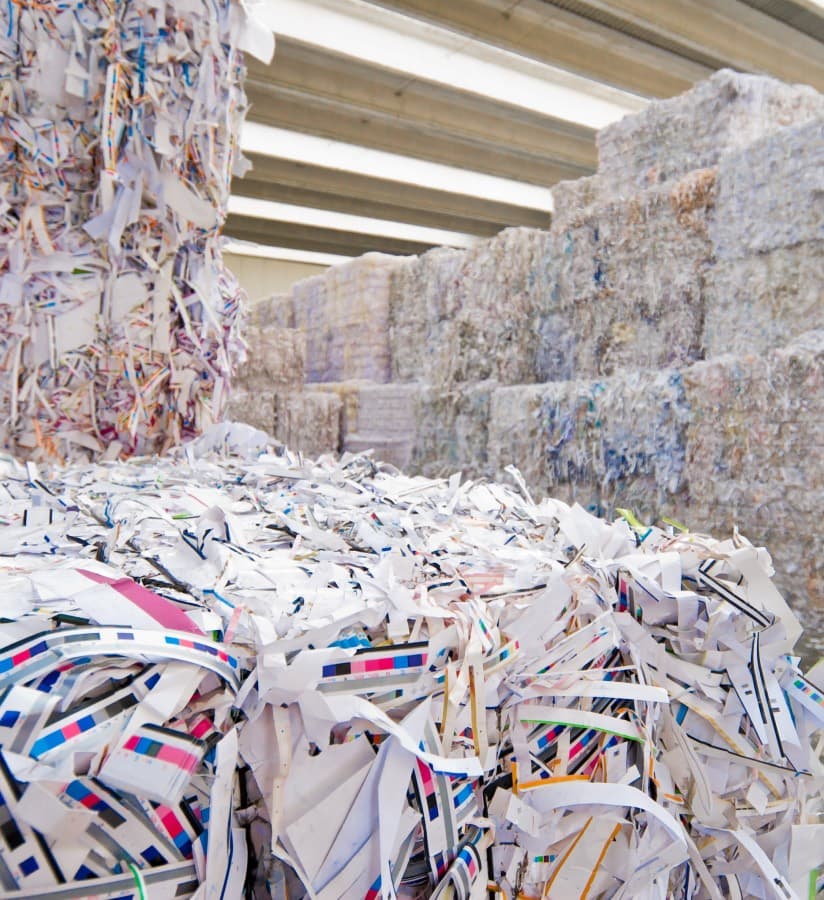
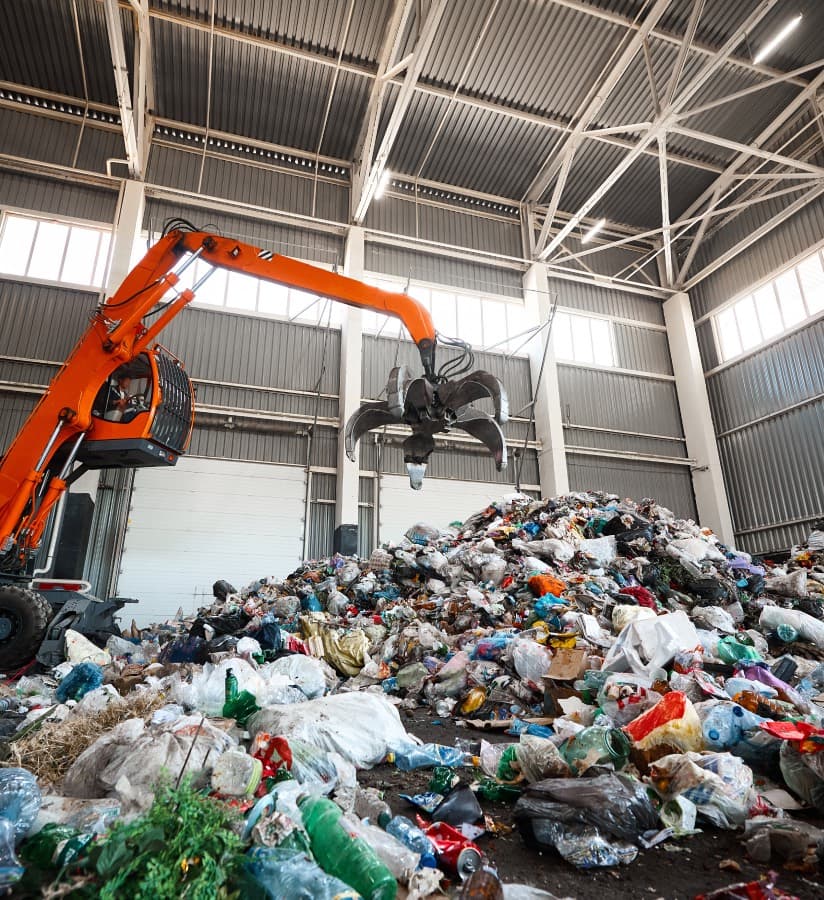
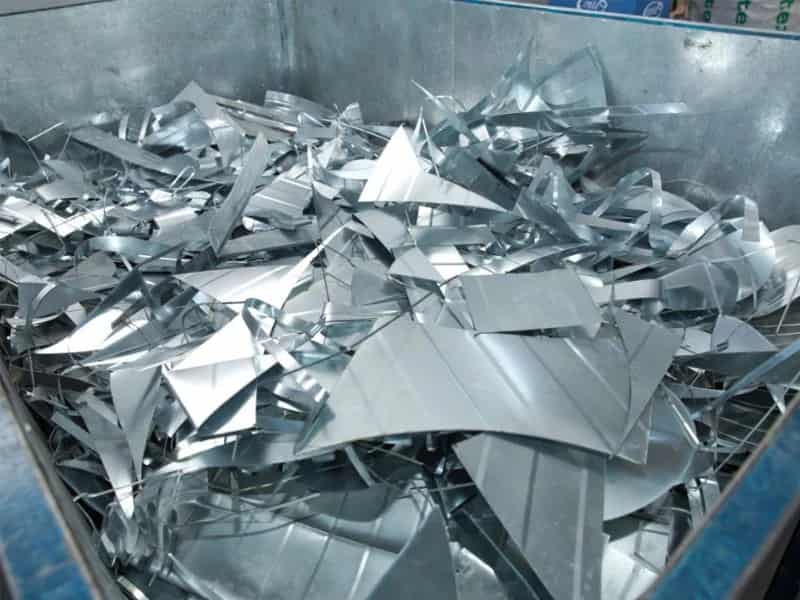
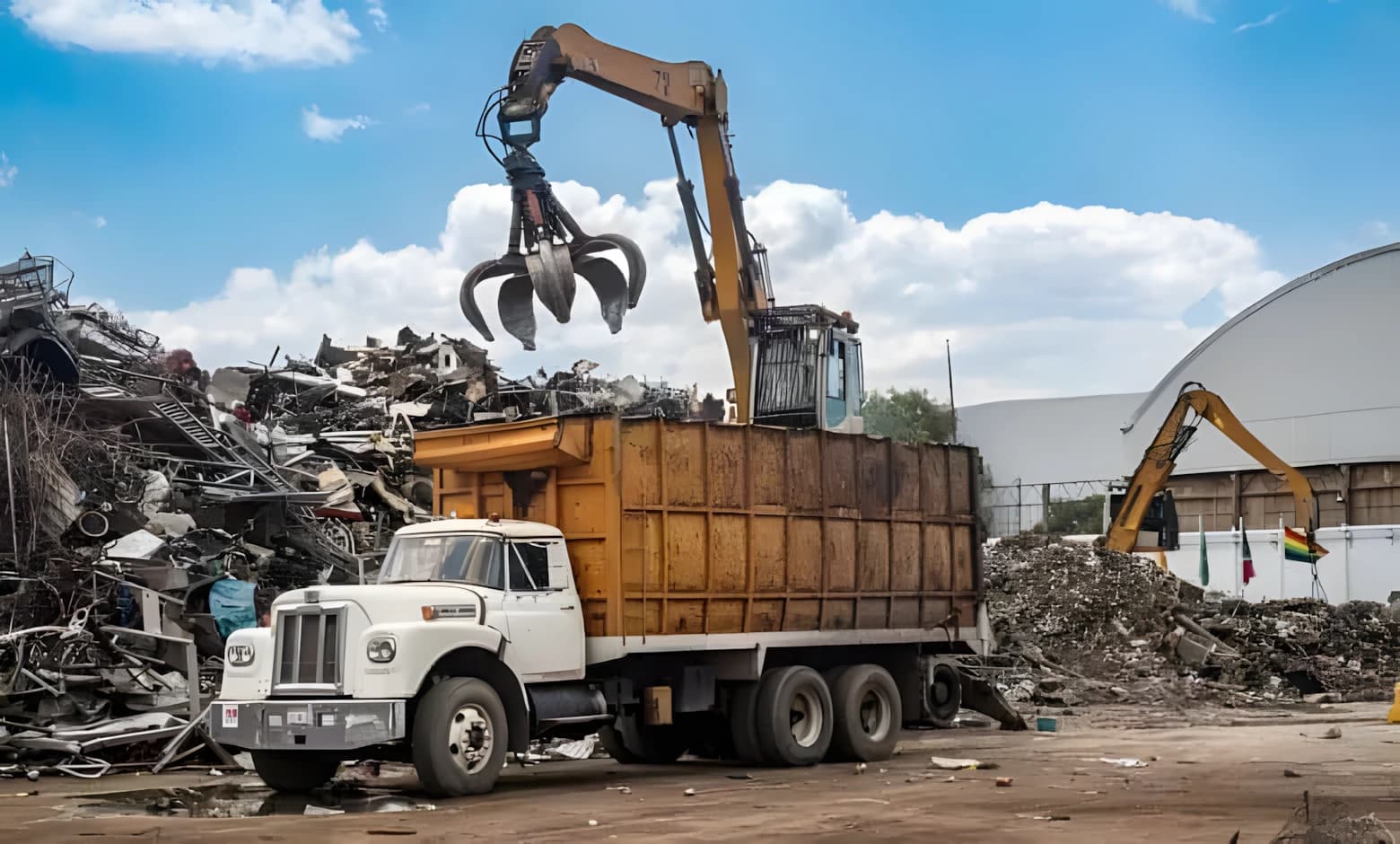
In the waste section, auditors look for proper separation, documented destinations and reliable weights. Zikloa collects and recycles metals, plastics, cardboard and paper using roll-off containers or a grapple crane, and weighs every load on certified scales. Learn about our comprehensive recycling service.
If you're preparing for an audit, tell us which materials you generate and we'll help you organize recyclables collection before the visit.
- #environmental audit
- #clean industry
- #profepa
- #iso 14001
- #nearshoring
Frequently asked questions
Is PROFEPA's environmental audit mandatory?
No. Mexico's general environmental law frames it as a voluntary self-regulation tool. Customers, headquarters or specific programs may still ask for it, and once you're in the process PROFEPA can verify that your action plan is carried out.
How long is a Clean Industry certificate valid?
The regulations set a two-year validity from the date the certificate is notified. To renew it, you must apply at least 60 business days before it expires.
Can our corporate global auditor perform the audit?
Only if it qualifies under Mexican rules. The audit must be carried out by an environmental auditor, meaning a verification unit for environmental auditing with current accreditation and approval and no sanctions or restrictions. The company hires it and pays its costs.