Injection and extrusion scrap: turning plant waste into revenue
Your injection and extrusion scrap is worth more when it is segregated properly. The scrap types, what drives value up or down, and how to organize it on the floor.
By Zikloa TeamPublished 5 min read
Key takeaway: Injection and extrusion scrap is one of the most recoverable waste streams in a plant because it is known resin that never left the building. To capture its value, segregate it at the machine by resin, grade and color; keep purgings, parts with metal and floor sweepings apart; and decide what you regrind in-house and what you sell.
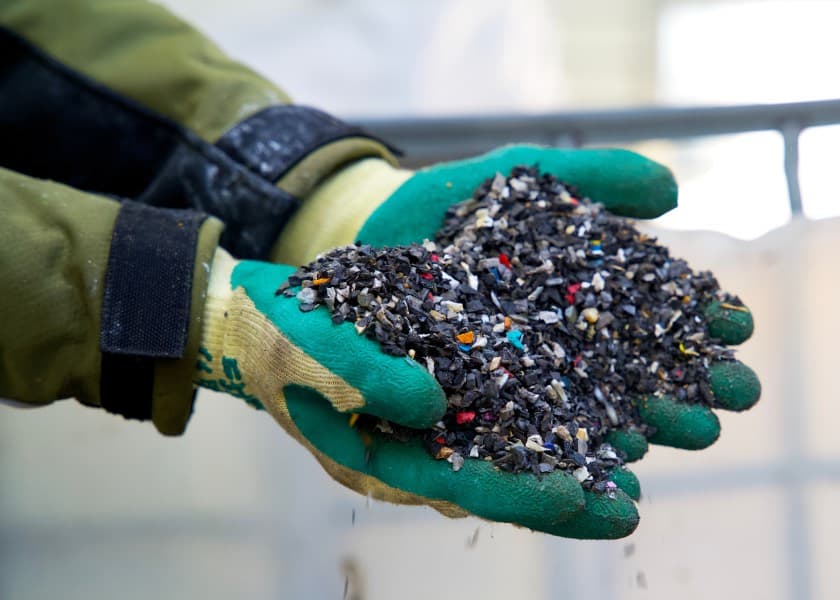
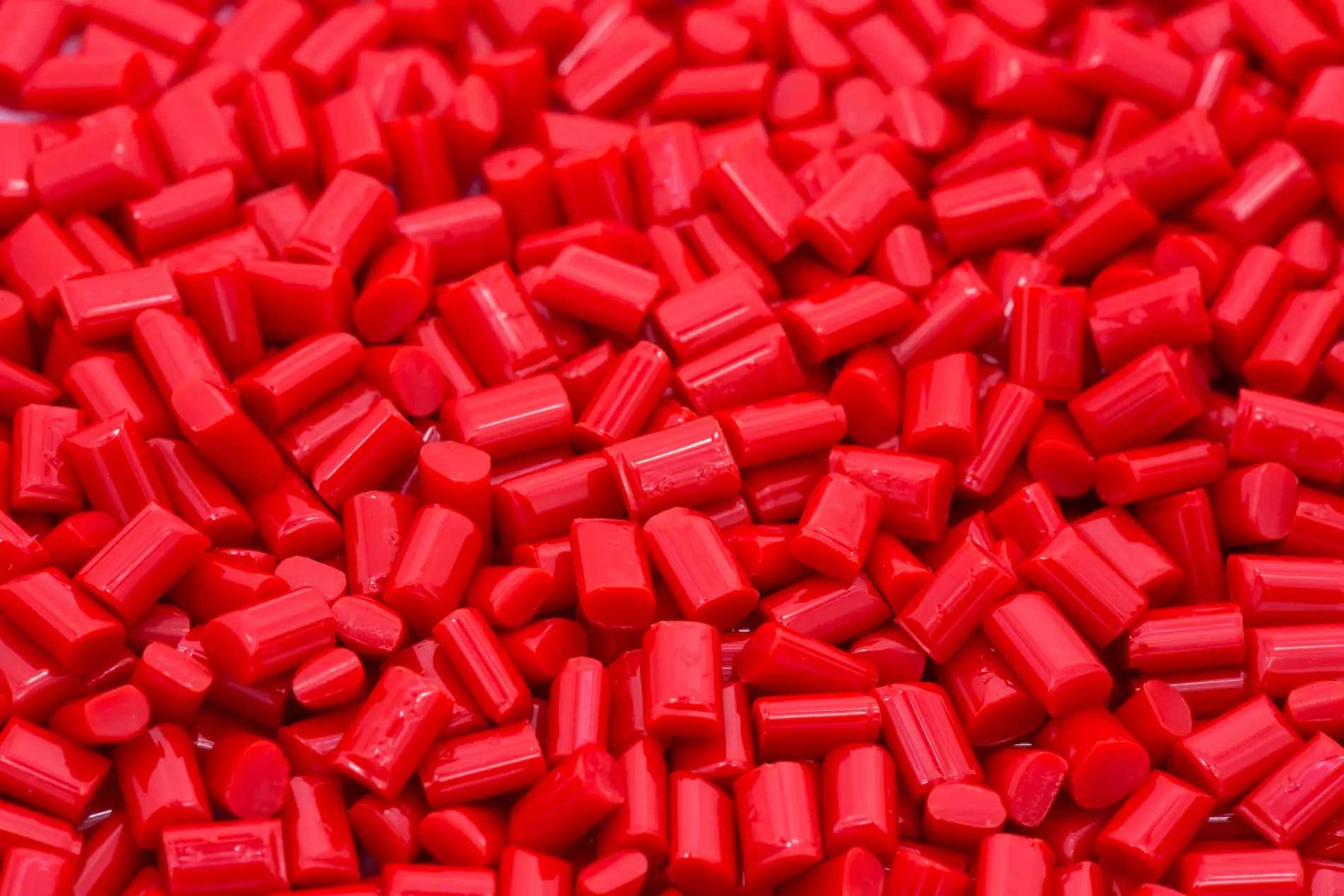
Every injection or extrusion line generates scrap: runners and sprues, startup shots, out-of-spec parts, purgings and edge trim. Plastic scrap recycling starts from an advantage most waste streams do not have. Unlike post-consumer plastic, this post-industrial material has never been in a consumer's hands or a garbage bin, which makes it highly attractive to recyclers.
Yet many plants treat it as trash. Everything goes into the same bulk bag, gets sold as mixed material at the lowest price or, worse, is sent to landfill. For operations that report scrap rates to a head office in the US, Europe or Asia, that is a double loss: the KPI looks bad and the material earns nothing. A few segregation rules can turn the same scrap into steady revenue or into feedstock for your own line.
The scrap your process generates
In Mexican plants you will hear "scrap" and "merma" used interchangeably, "colada" for runners and "purga" for purgings. Using those terms in work instructions helps operators follow them.
Injection molding
- Runners and sprues: the material that fills the mold's feed channels. Same resin as the part and usually clean.
- Startup shots and short shots: generated while the process stabilizes after a stop or mold change.
- Rejected parts: flash, sink marks, dimensions or color.
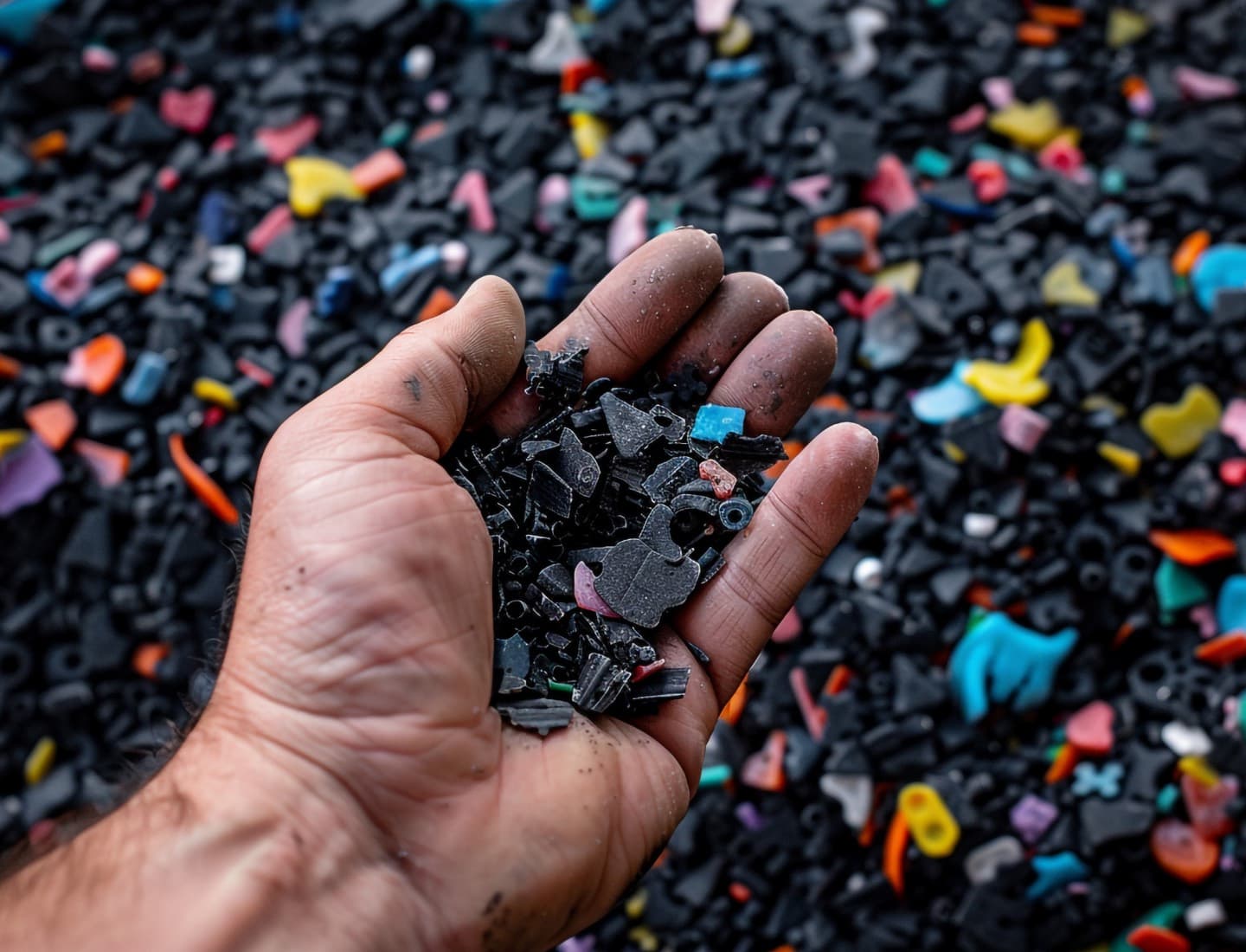
- Purgings: material expelled during color or resin changes. It comes out in lumps and may contain blends.
Extrusion and thermoforming
- Edge trim from sheet and film.
- Startup and transition material between grades or colors.
- Off-spec rolls, profiles or pipe.
- Thermoforming skeletons: the web left after parts are trimmed out.
What makes your scrap worth more (or less)
| Factor | Raises value | Lowers value |
|---|---|---|
| Resin | Single, identified resin | Mixed resins |
| Grade | Known brand and grade (MFI, filler, additives) | Unknown or mixed grades |
| Color | Natural or a single color | Mixed colors |
| Form | Clean regrind or uniform parts | Purge lumps, floor sweepings |
| Contamination | No metal, labels or oil | Inserts, paint, oil, dirt |
| Moisture | Dry, stored indoors | Wet or stored outdoors |
| Volume | Steady generation | Small, irregular lots |
Two points deserve emphasis. First, never mix filled and unfilled material: a nylon with 30% glass fiber and an unfilled nylon are different products, even though both are nylon. The same goes for flame-retardant, impact-modified or specially additivated grades. Second, documentation adds value: if you can share the data sheet for the original resin, the buyer knows exactly what they are getting and can offer better terms.
Regrind in-house or sell?
Many plants grind runners beside the press and feed them back to the hopper blended with virgin resin. It is the most direct way to close the loop, but it only works when these conditions are met:
- Your customer's specification allows regrind and states the maximum percentage. In automotive supply chains, that is usually defined in the part approval.
- The regrind is the same resin, grade and color as the part.
- You can redry it if the resin is hygroscopic, such as nylon, PET, PC or ABS.
- You control the number of passes: every melt adds heat history and, in glass-filled grades, shortens the fibers.
Whatever fails those conditions is usually better sold: purgings, color transitions, parts with inserts, discontinued grades or anything your specification does not allow. For what happens to that material next, see our guide on regrind, pellets and repro.
Organizing scrap on the floor, step by step
- Measure before you decide. Record for a few weeks how much scrap comes off each machine or line, and what kind. A waste audit gives you the baseline for defining categories.
- Define manageable categories: resin + grade + color + form. Create too many and nobody will follow them.
- Place labeled containers (gaylords or bulk bags) beside each machine, tagged with resin, grade, color, line and date.
- Keep purgings and sweepings separate. Material that hits the floor never goes back into the clean container.
- Segregate parts with metal inserts or remove the inserts before grinding.
- Store indoors and covered, away from dust, water and other waste.
- Weigh and record every shipment. Compare those figures against resin consumption to know your real scrap rate.
- Schedule pickups to match the fill rate, so scrap does not take over production space.
What to expect when you sell scrap
Plastic scrap has no fixed value. It moves with the price of the equivalent virgin resin, with demand for that recycled resin and with the factors in the table above. To keep negotiations transparent:
- Sample before the first shipment. A serious buyer will ask for a sample or inspect the material on site before quoting terms by category.
- Verifiable weight. Agree on where and on which scale material is weighed, and get a weight ticket for every load.
- Written deduction criteria. Define how moisture, contamination or a lot that does not match the agreed category will be handled.
- Environmental paperwork. Plant scrap is usually classified in Mexico as special handling waste; keep delivery records and recycling certificates for your waste management plan and annual reporting.
- Vendor onboarding. Many global companies require scrap buyers to be vetted like any other supplier. Start that process early so it does not delay the first pickup.
Getting written terms by category lets you compare offers and see which extra segregation is worth the effort.
Use scrap as a process indicator
Every kilogram of scrap is resin you already paid for, plus energy and machine time. So beyond selling it well, it pays to track it by machine and by cause. Common levers to reduce it:
- Sequence color changes from light to dark to shorten transitions.
- Use a suitable purging compound to cut the time and material each purge takes.
- Evaluate hot runner molds for high-volume parts where the cold runner is a significant share of shot weight.
- Standardize startups with documented parameters to reach good parts sooner.
- Check drying of hygroscopic resins, a frequent cause of rejects for surface defects.
Selling scrap brings in revenue, but not generating it is usually worth more. The two strategies go together: segregation gives you the data to attack root causes.
How Zikloa can help
Zikloa buys and collects injection and extrusion plastic scrap, and offers material processing so your scrap goes back to market as raw material. We weigh on certified scales and help you define segregation categories that are realistic for your plant. Tell us which resins you generate and in what volume, and we will evaluate the best option for each one.
- #plastic scrap
- #injection molding
- #extrusion
- #regrind
- #post-industrial
Frequently asked questions
What happens to scrap from painted parts or parts with metal inserts?
It is worth less, but it is not necessarily trash. Parts with inserts can be shipped as a separate category so the recycler can recover the metal, and painted parts usually go into dark-colored applications. The key is never to mix them with clean scrap.
Why are purgings worth less than runners?
Purgings often contain degraded material, traces of other resins or purging compound, and they come out as lumps that are hard to grind. Runners are the same resin as the part, clean and with a single heat history.
What information should we give a scrap buyer?
The resin and, if you know them, the brand and grade (melt flow, filler, additives), the color, the form (parts, runners, regrind or purgings), estimated monthly volume and any possible contaminants, such as inserts or paint.