Metal chip drying: what it is and why it raises scrap value
Machining chips leave the machine soaked in coolant and oil. Drying them reduces deductions, furnace risk and storage headaches. Here is how it works and when it pays off.
By Zikloa TeamPublished 5 min read
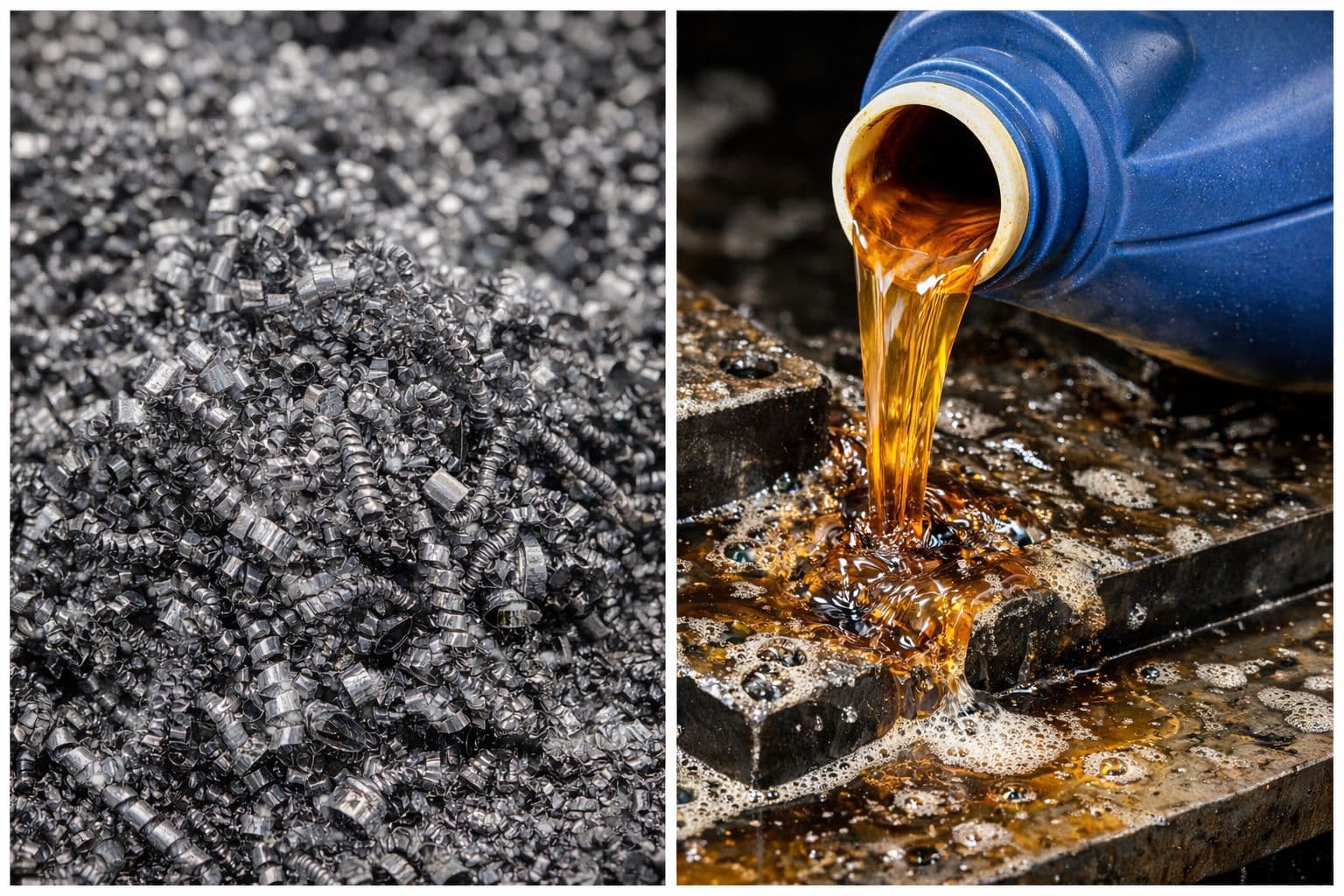
Key takeaway: Metal chip drying removes the cutting fluid, oil and moisture trapped in machining chips. Dry chips weigh what their metal actually weighs, melt with less risk and store without leaks, which is why they earn better prices than wet chips.
Machining is at the heart of many nearshoring operations in Mexico, from automotive components to aerospace and industrial equipment. Every turning, milling, drilling or boring operation generates chips, and those chips rarely leave the machine clean. They carry coolant, soluble oil or straight cutting oil trapped in their curls. Metal chip drying deals with that fluid before it turns into price deductions, rejected loads or safety problems.
This article explains why wet chips lose value, how drying works, when it makes sense for your plant, and what your team can do on the floor to prepare chips properly.
What machining chips are and why they arrive contaminated
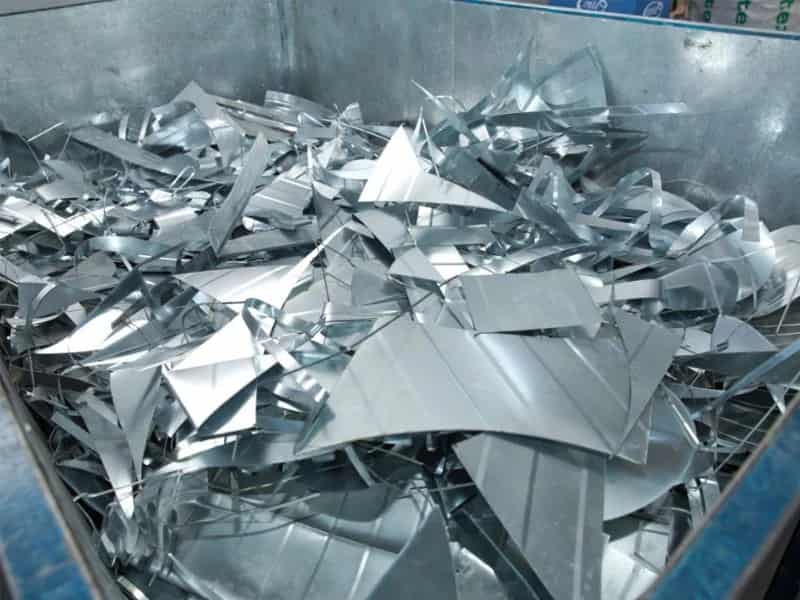
Chips, also called turnings or swarf, are the metal removed when a part is machined. Their shape depends on the process and the metal: long spirals, short curls, flakes or fines. Cutting fluids cool the tool, lubricate the cut and flush chips out of the work zone.
The problem is that chip geometry behaves like a sponge. Curls and the gaps between fragments hold a significant amount of fluid, which is still there when the chips drop into the hopper. The finer and more tangled the chips, the more fluid they retain.
Three problems with wet chips
Fluid is deducted from what you are paid
Buyers pay for metal, not oil. When chips arrive wet, they deduct the weight they estimate is not metal. Because measuring the moisture of every load precisely is not always practical, deductions tend to be conservative, and your plant absorbs the difference.
Furnace risk and melt loss
Water that contacts molten metal flashes to steam instantly and can cause eruptions or explosions. Oil produces smoke and emissions and increases oxidation, which means more dross and lower metal yield. That is why many foundries are strict about the moisture content of chips they accept.
Storage and compliance
Wet chips leak. The runoff stains floors, creates slip hazards, produces odors and can contaminate soil if the storage area lacks containment. Depending on its characterization, oil-impregnated waste may also need to be managed as hazardous. If your EHS team is used to US classification rules, do not assume they carry over; see our guide to hazardous vs. special handling waste in Mexico.
How metal chip drying works
Details vary with the metal and the type of fluid, but the process generally follows these steps:
- Receiving and segregation by metal. Each metal's chips are processed separately.
- Draining or centrifuging. Free fluid is removed by gravity or mechanical force.
- Thermal drying. Controlled heat evaporates moisture and removes the residual oil that centrifuging cannot reach.
- Emission control. A well-designed process treats the vapors and fumes released during heating.
- Cooling and weighing. Dry chips are cooled, weighed and prepared for their destination.
| Characteristic | Wet chips | Dry chips |
|---|---|---|
| Weight | Includes water and oil | Reflects metal content |
| Pricing | Moisture and oil deductions | Better grade, fewer adjustments |
| Melting | Eruption risk, more dross | Safer charge, better yield |
| Storage | Leaks and odors | Stable, clean material |
| Transport | Needs sealed containers | Simpler handling |
When chip drying pays off
Drying makes the most sense when one or more of these conditions apply:
- You generate a steady volume of machining chips, not just occasional lots.
- Your chips are a higher-value metal such as aluminum, brass or bronze, where every point of deduction costs more.
- Buyers apply heavy moisture deductions or have rejected loads.
- Your waste storage area has leakage, odor or housekeeping problems.
- Corporate EHS asks you to show where cutting fluids end up.
If your volume is low, better draining on site and more frequent pickups may be enough. Either way, the effect of drying shows up directly in your quote; our article on how scrap metal prices are set in Mexico explains why moisture weighs so heavily.
Floor practices that make drying more effective
- Segregate chips by metal, and by alloy where possible, right at the machine.
- Keep chips separate from grinding sludge. Sludge is a fine mix of metal, abrasive and fluid that is managed as a different waste stream.
- Keep rags, gloves, filters and trash out. Foreign material complicates processing and can trigger rejections.
- Use hoppers with drain bottoms or drip trays and empty them often.
- Recover cutting fluid where you can. Draining on site lets you reuse part of your coolant.
- Log the source of every lot, especially when you change cutting fluid or material.
The area where chips accumulate must meet the same conditions as any waste storage area; see our temporary on-site waste storage best practices.
Questions to ask before choosing a chip drying service
Drying services do not all work the same way or report results the same way. Before you decide, get clear answers on these points:
- Which metals and chip types do they process? Confirm they accept your metal, your chip size and your type of cutting fluid.
- Which weight is the price based on? Ask whether you are paid on dry weight, on wet weight with a deduction, or on another basis, and how it is documented.
- How is moisture measured? A clear method applied to samples from your own loads prevents disputes later.
- What happens to the removed fluid and emissions? Your EHS team, and possibly your corporate auditors, will want to know how liquids and vapors are handled.
- What paperwork will you receive? Scale tickets, a CFDI invoice and evidence of the material's destination.
- How does the logistics work? Container type, pickup frequency and what happens if a load arrives with foreign material.
With those answers you can compare what you would receive for dry chips against what you get today for wet ones, and make the decision with your own numbers rather than a generic promise.
How Zikloa can help
Zikloa offers thermal drying of metal chips as part of its metal buying and processing services. We collect your chips, dry them, weigh them on certified scales and document every lot, with offices in Nuevo León and Mexico City serving manufacturing plants in both regions.
If your plant generates machining chips, tell us about your operation and request a quote.
- #metal chips
- #machining
- #thermal drying
- #scrap value
Frequently asked questions
What is the difference between a chip wringer and thermal drying?
A wringer or centrifuge removes free fluid mechanically but leaves a film of oil and moisture on the chips. Thermal drying uses heat to remove that remaining fraction, so the material ends up cleaner and more stable.
Are oily machining chips classified as hazardous waste in Mexico?
It depends on their characterization and the cutting fluid involved. Some oil-impregnated wastes can be classified as hazardous under NOM-052-SEMARNAT-2005, and the criteria differ from US rules, so confirm your case with the authority or an environmental consultant.
Which metals can be dried?
Drying applies to chips from metals machined with cutting fluids, such as aluminum, steel, brass or bronze. What matters is that each metal arrives segregated; ask your recycler which materials it processes.