Temporary on-site waste storage: best practices
A well-designed temporary storage area protects the value of your recyclables and keeps you compliant in Mexico. Learn about siting, layout, hazardous waste conditions and daily operation.
By Zikloa TeamPublished 5 min read
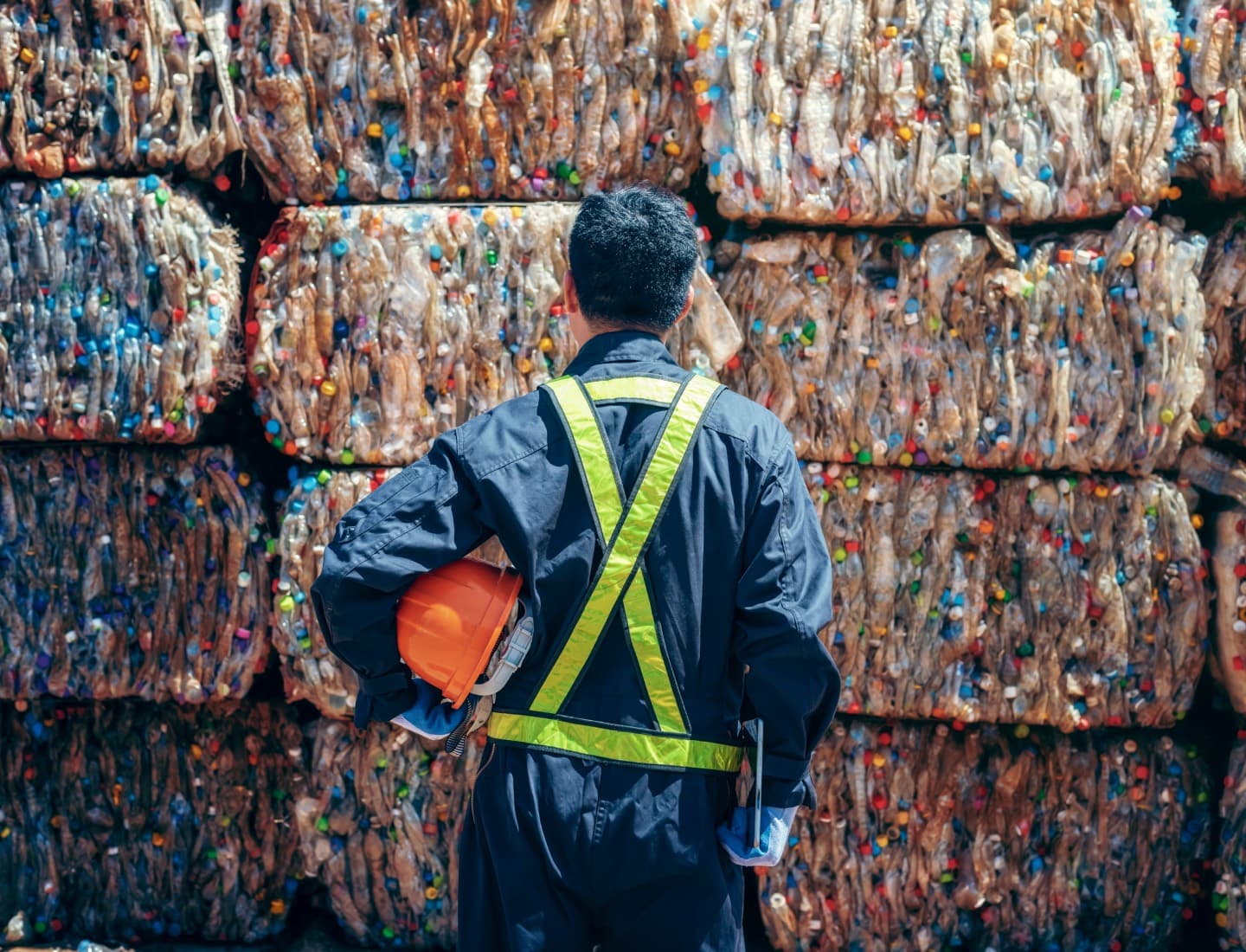
Key takeaway: A well-designed temporary waste storage area keeps each material separate, prevents spills and fires, makes pickups easier and supports regulatory compliance. Place it where trucks can reach it, divide it by waste type, label everything and control how much material accumulates and for how long.
Temporary waste storage is where everything your plant discards waits to leave: cardboard, plastics, scrap metal, chips, pallets and, in many cases, hazardous waste. It is often an afterthought, tucked into a corner of the yard, until an audit, a fire or a spill puts it at the center of attention.
For international companies operating in Mexico, there is an added wrinkle: corporate standards are often written around US or European rules, while the local storage area must meet Mexican requirements. A good storage area does not have to be expensive. It needs the right location, clear separation, basic infrastructure and operating discipline. This guide covers each one.
Two types of areas with different rules
Before designing anything, distinguish two spaces that should never be combined:
- Recyclables and special handling waste area: cardboard, paper, plastics, metals, pallets, chips. Good safety, housekeeping and value-protection practices apply here, plus whatever your state environmental authority requires.
- Hazardous waste storage: used oil, solvents, contaminated containers, sludge, oily rags, lamps and batteries, among others. This space has specific conditions set by the regulations of Mexico's general waste law (LGPGIR).
If you are unsure which category a waste stream falls into, see our guide to hazardous vs. special handling waste.
Where to locate temporary storage
Location drives much of the area's safety and efficiency. Look for a spot that offers:
- Direct access for the collection truck, with firm ground, room to maneuver and overhead clearance.
- Separation from production, offices, raw materials and finished goods.
- Distance from ignition sources such as furnaces, welding areas or electrical substations.
- No flood risk and no nearby storm drains.
- Proximity to the main generation points, without crossing pedestrian aisles or forklift zones.
- Access control, so it does not turn into a general dumping ground and high-value metals do not walk away.
How to divide the space by material
Each material has different needs. Use this table as a starting point:
| Material | How to store it | Main concern |
|---|---|---|
| Cardboard and paper | Bales or cages, under a roof | Moisture and fire load |
| Plastics | Bags or bales separated by resin type | Resin mixing and dust contamination |
| Stretch film | Dedicated bin or cage, or baled | Labels, tape and trash mixed in |
| Ferrous scrap | Roll-off container or marked area | Sharp edges and runoff |
| Copper, aluminum and brass | Closed containers in a locked area | Theft and mixing with steel |
| Oily chips | Containers with drip trays or curbs | Leaks and fire |
| Pallets | Stacked at a stable height | Tipping and fire load |
| Hazardous waste | Dedicated storage | Specific regulatory conditions |
Separation in the storage area only works if it starts on the line. To design your points of origin, read our guide to source separation and in-plant recycling stations.
Basic infrastructure for the recyclables area
You do not need major construction. These elements cover the essentials:
- Concrete floor in good condition, sloped to avoid pooling.
- Roof or cover for cardboard, paper and other rain-sensitive materials.
- Spill containment (drip trays or curbs) wherever there are chips, oily parts or containers with liquids.
- Fire extinguishers suited to the materials stored, clearly visible.
- Adequate lighting for safe work on every shift.
- Signage, in Spanish first, for each zone, the accepted material and required PPE.
- Clear aisles for forklifts and emergency response teams.
Hazardous waste storage: specific conditions
For small and large generators, the regulations of the LGPGIR set conditions for hazardous waste storage areas. In general terms, they require:
- Separation from production, services, offices, raw materials and finished goods.
- A location that reduces the risk of leaks, fires, explosions and flooding.
- Walls, curbs or retention pits to contain spills.
- Aisles for equipment and response teams, fire suppression systems and emergency equipment.
- Visible signage describing the hazards of the stored waste.
- Labeled containers, with incompatible wastes kept apart.
- Drums stacked no more than three high.
Additional conditions apply depending on whether the storage area is enclosed or open, such as ventilation, no floor drain connections or impermeable floors. The law also prohibits storing hazardous waste for more than six months from generation unless an extension is granted, and that period must be recorded in the generator's log. If your corporate procedures are built around US accumulation time limits, update them for Mexico rather than assuming they match. Microgenerators follow simpler rules.
This section is for orientation only. Validate the requirements for your site with the authority or a local environmental consultant.
Daily operation: housekeeping, records and limits
The best layout fails without discipline. These practices keep storage under control:
- Assign an owner for the storage area on every shift.
- Set a maximum capacity per zone and a reorder point: when it is reached, a pickup is requested.
- Log inflows and outflows, especially for hazardous waste and high-value metals.
- Apply first in, first out so nothing is forgotten in a corner.
- Inspect weekly the condition of containers, labels, extinguishers and containment.
- Clean up after every pickup, before refilling.
The reorder point has to match your provider's frequency. Our guide to scheduling industrial waste pickups explains how.
Mistakes that turn storage into a liability
These are common oversights and what they cost:
- Using it as a catch-all. Old equipment, furniture and "just in case" items take space from recyclables and block aisles.
- Leaving cardboard exposed. A single rainstorm can turn a sellable lot into wet, heavy material that is hard to place.
- Storing chemical containers next to recyclables. A spill contaminates everything it touches and can change how the material is classified.
- Holding low-value material to "build volume". The pile grows, the material degrades and it ends up costing more than it is worth.
- Skipping labels. Without signs and labels, each shift arranges things its own way and separation falls apart within weeks.
How Zikloa can help
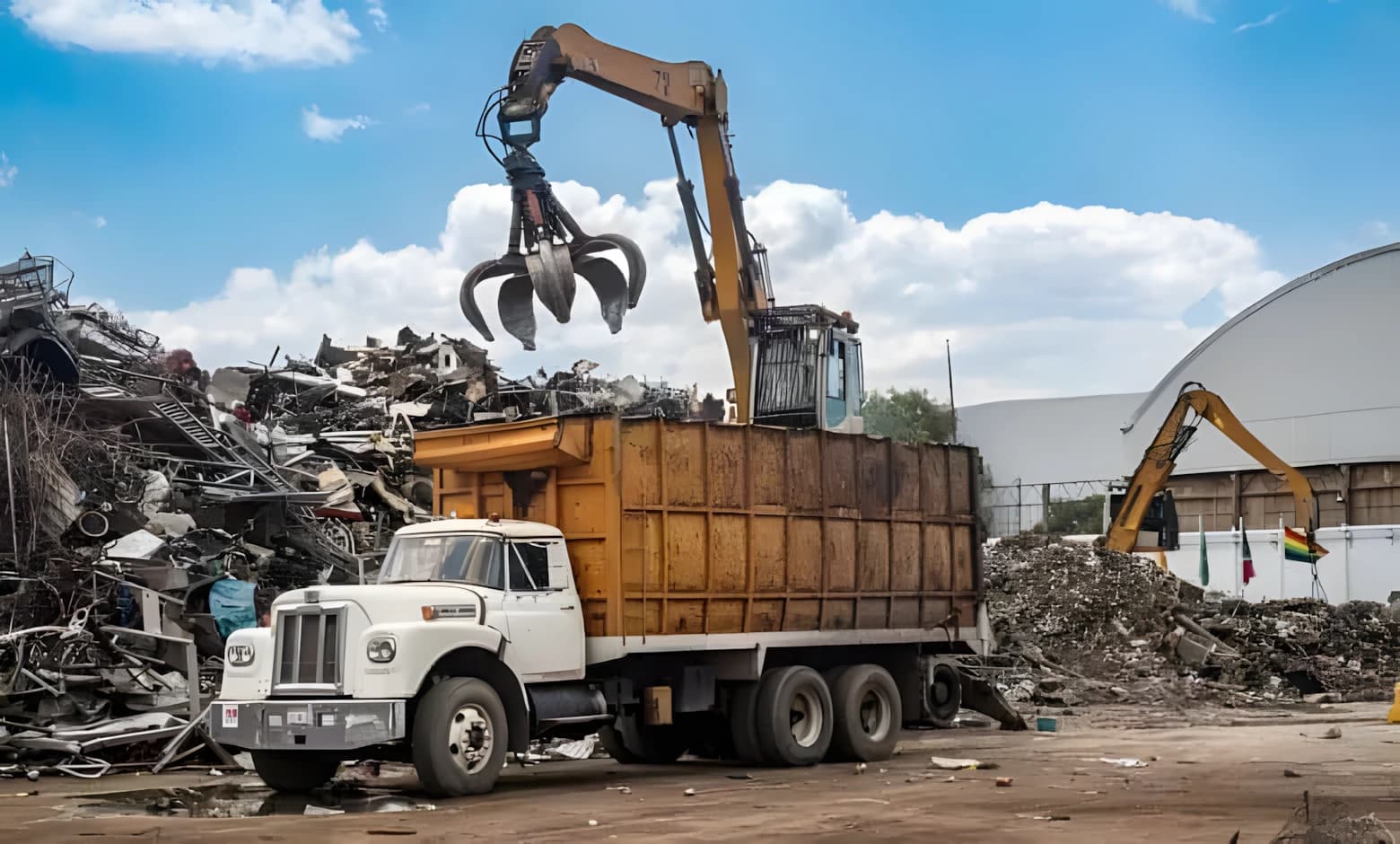
The simplest way to keep temporary storage under control is to get recyclables out regularly. Zikloa collects with 15, 20 and 30 m³ roll-off trucks and a grapple crane, and weighs on certified scales so you have reliable records of every load that leaves your site.
Learn more about our waste collection service or tell us how your storage area is set up so we can define the right pickup frequency.
- #temporary waste storage
- #hazardous waste
- #special handling waste
- #plant safety
Frequently asked questions
How long can hazardous waste be stored on site in Mexico?
Mexico's general waste law (LGPGIR) sets a general maximum of six months from generation, with the option to request an extension from SEMARNAT. This differs from US accumulation limits, so confirm what applies to your generator category with a local environmental consultant.
Can cardboard and scrap metal share a storage area with hazardous waste?
It is not advisable. Hazardous waste needs its own separate area with specific conditions; mixing it with recyclables can contaminate the material and complicate compliance.
Does the recyclables storage area need a roof?
For materials damaged by water, such as cardboard and paper, yes. Scrap metal can be stored outdoors in containers, as long as you prevent pooling and keep oil runoff away from drains.