Safety in scrap yards and loading operations
Scrap yard incidents tend to repeat the same causes. Here are the main risks, the roles every loading job needs and a pre-job checklist that fits Mexican and corporate rules.
By Zikloa TeamPublished 5 min read
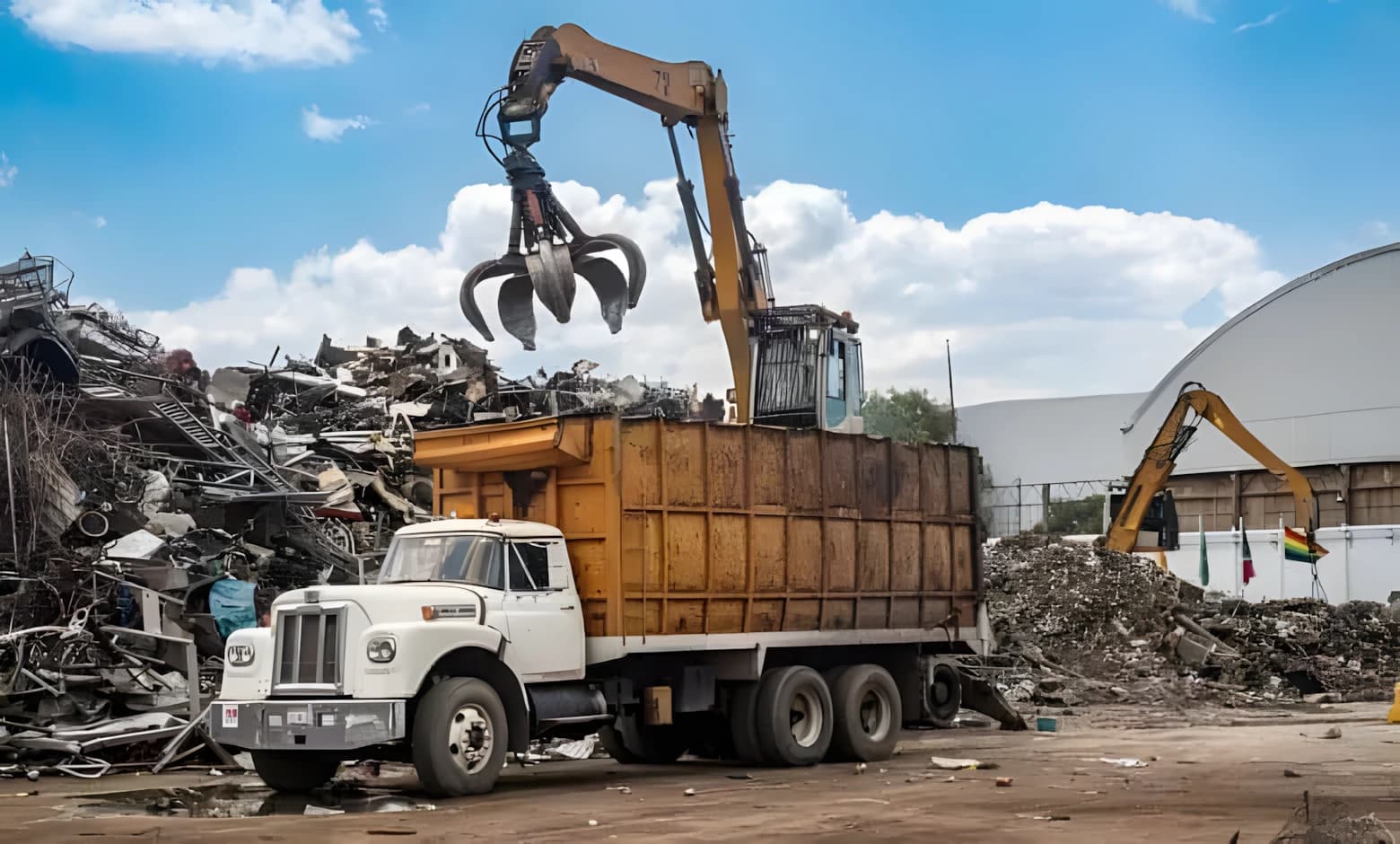
Key takeaway: Scrap yard incidents usually come from the same sources: reversing vehicles, suspended loads, sharp pieces, moving containers and materials that should never have reached the yard. They are prevented with exclusion zones, a clear owner for every loading job, the right PPE and a short check before each load.
Scrap yard safety is one of the most sensitive parts of any industrial recycling program. In a scrap yard or a plant's waste area, trucks, forklifts, cranes, in-house staff and outside contractors all converge around heavy, sharp, irregular material.
For companies operating in Mexico, there is an extra layer: your corporate EHS standards may be written around OSHA or European frameworks, while local operations must also meet the rules of Mexico's Ministry of Labor (STPS). The good news is that most incidents are predictable, and the controls below fit both worlds.
The most common risks in scrap yards and loading areas
Before setting controls, identify what can go wrong. This table summarizes the typical hazards and their primary control:
| Hazard | Where it shows up | Primary control |
|---|---|---|
| Struck by vehicle | Reversing trucks and forklifts | Separate routes, spotter and backup alarm |
| Struck by suspended load | Grapple crane operation | Exclusion zone; nobody under the boom or the load |
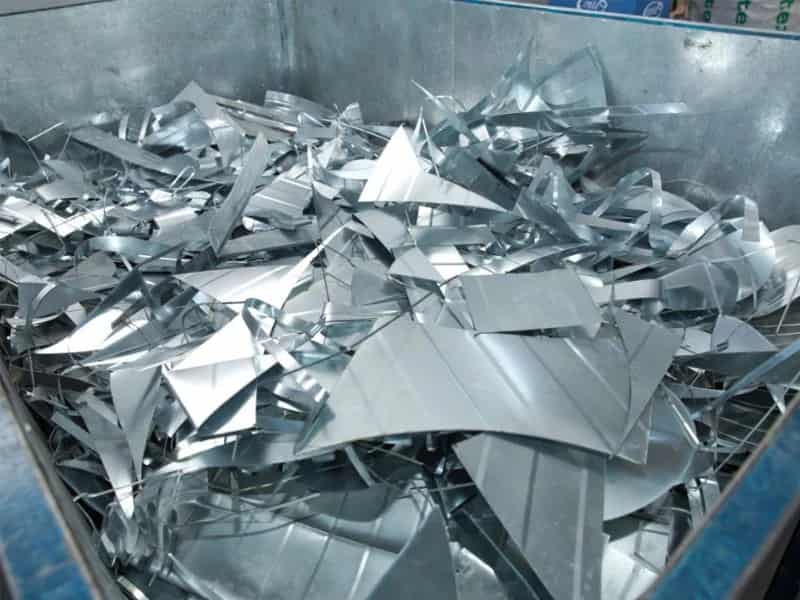
| Cuts and punctures | Sheet metal, chips, wire, broken parts | Cut-resistant gloves and sleeves; minimize hand handling |
| Caught-in or crushed | Roll-off containers being loaded or unloaded | Distance from hook, cables and tilting bed |
| Electrical contact | Boom near overhead lines | Verify clearances before operating |
| Fire or explosion | Oily chips, sealed containers, batteries | Material inspection and accessible extinguishers |
| Material falling in transit | Overfilled containers | Never load above the rim; secure or cover loads |
| Strain injuries | Manual lifting of heavy parts | Mechanical aids and manual lifting limits |
Design the yard so safety does not depend on memory
Rules work better when the physical layout reinforces them. A few design decisions reduce risk every day without anyone having to remember them:
- Marked pedestrian walkways, physically separated from vehicle traffic with barriers wherever possible.
- One-way truck circulation that keeps reversing maneuvers to a minimum.
- A waiting area for the provider's truck outside the work zone while the loading point is cleared.
- Adequate lighting for early-morning or night jobs, or inside buildings with little natural light.
- Permanent signage for exclusion zones, speed limits and required PPE, in Spanish and, if your workforce is mixed, in English as well.
Clear roles: who does what during a loading job
Many incidents happen because everyone assumes someone else is watching. Define these roles for every job:
- Truck or crane operator: controls the equipment and can stop the job at any time.
- Your plant's job owner: confirms the area is ready, sets up the exclusion zone and authorizes the start.
- Spotter: the only person who gives directions to the operator, using signals agreed in advance. With mixed-language crews, rely on standard hand signals rather than verbal instructions.
- Everyone else: outside the exclusion zone until the job owner releases it.
Anyone who sees an unsafe condition must be able to stop the job without asking permission. Stop-work authority, stated out loud during the induction, prevents many incidents.
Pre-job checklist
A two- or three-minute check before starting is one of the most cost-effective safety measures there is. Use this as a base and adapt it to your site:
- Is the area marked off with cones, tape or barriers?
- Are there pedestrians, vehicles or equipment inside the operating radius?
- Is the ground firm, with no puddles or open manholes?
- Are there overhead lines, roofs or structures within the equipment's reach?
- Has the material been checked for sealed containers, cylinders, batteries and liquids?
- Is everyone wearing the required PPE?
- Have operator and spotter agreed on signals?
- Is there an accessible extinguisher, and does someone know whom to call in an emergency?
Equipment-specific controls
Roll-off containers
Keep everyone away from the back of the truck and the sides of the container while it is pulled up or lowered. Nobody should climb into the container to rearrange material during the job. Check that the load does not rise above the rim or lean to one side.
Grapple cranes
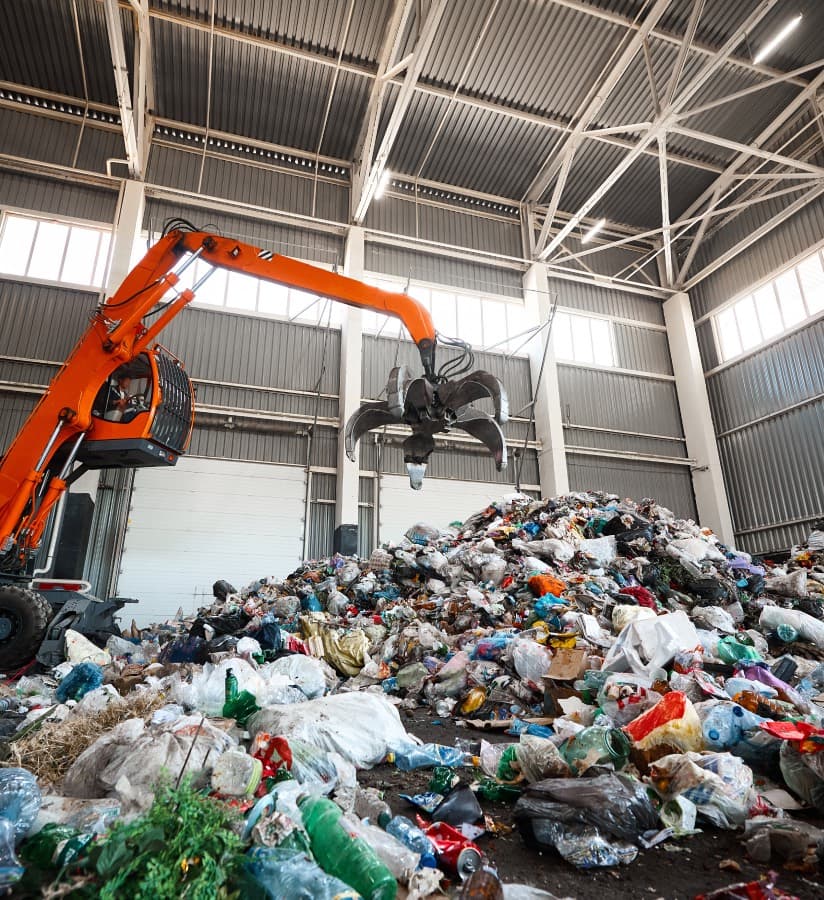
Nobody walks under the boom or the load, even if the grapple looks closed. Outriggers must rest on firm ground, and the operator must know where overhead power lines are before starting. To learn when this equipment makes sense and how to prepare the area, read our guide to grapple cranes for bulk scrap.
Forklifts
Use forklifts only with material contained in cages, on pallets or in bins, and respect the rated capacity. Prohibit pushing scrap piles with the forks or lifting loose pieces with improvised rigging.
The material is a hazard too: what must not reach the yard
Some of the most serious incidents in scrap handling are caused not by equipment but by what is mixed into the material. Make sure these items are removed beforehand:
- Sealed containers, tanks and gas cylinders, which can burst when compressed or cut.
- Batteries, especially lithium, which can ignite if damaged.
- Parts with oil, coolant or chemicals, which leak and may qualify as hazardous waste under Mexican rules.
- Industrial equipment with sealed radioactive sources, such as some gauges, which require specialized handling.
An organized storage area, with every material in its place, greatly reduces this risk. See our temporary on-site waste storage best practices.
Training and discipline across every shift
Rules only work if they are followed the same way on third shift as on first. Practices that help:
- Mandatory safety induction for all contractor personnel before their first service.
- Hands-on training for in-house staff who sort, stage or hand over material, delivered in Spanish.
- Near-miss reporting without blame, so conditions are corrected before anyone is hurt.
- Periodic review of signage and exclusion zones.
STPS issues official standards on material handling, machinery and personal protective equipment. Ask your EHS team to map which ones apply to your loading jobs and to reconcile them with your corporate standard, applying whichever is stricter. To strengthen the human side of your program, read about employee recycling training.
How Zikloa can help
Zikloa carries out collection jobs with 15, 20 and 30 m³ roll-off trucks and a grapple crane for bulk material. Before a new service starts, it pays to review the loading point, access routes and your plant's safety rules together, so the job fits into your procedures from day one.
Learn more about our waste collection service or contact us to coordinate pickups at your plant.
- #scrap yard safety
- #loading operations
- #industrial safety
- #ppe
Frequently asked questions
What PPE is needed in a scrap yard?
As a baseline: hard hat, safety glasses, cut-resistant gloves, steel-toe boots and a high-visibility vest. The job hazard analysis for each task may call for more, such as a face shield, hearing protection or cut-resistant sleeves.
Who is responsible for safety when a provider loads scrap at my plant?
Responsibility is shared: your company answers for site conditions and for communicating its rules, and the provider for its equipment, crew and methods. Put it in writing and review it with your legal and EHS teams.
Can scrap be loaded with a forklift?
Yes, when the material sits in cages, on pallets or in bins designed for it and the forklift has enough rated capacity. Pushing piles or lifting loose pieces with the forks is a risky practice that should be prohibited.