Source separation: designing in-plant recycling stations
How to design in-plant recycling stations that actually work: stream selection, bin placement and sizing, Spanish-first signage and the link to temporary storage.
By Zikloa TeamPublished 5 min read
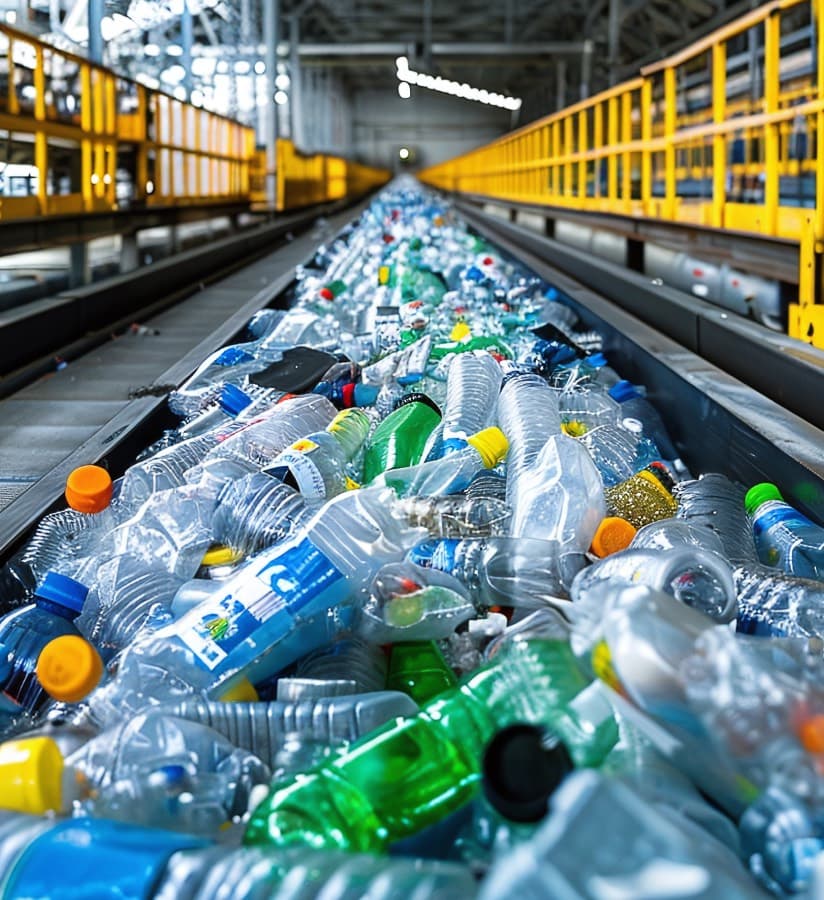
Key takeaway: A recycling station works when it sits right where waste is generated, offers only the streams that area produces, and can be understood in three seconds. Design each one from generation data, size the bins correctly, use Spanish-first signage with photos of your real waste, and connect it to a clear route to temporary storage.
Sorting later always costs more than sorting at the start. When waste gets mixed on the production floor and someone tries to separate it in the yard, you lose time, contaminate material and cut its value. Source separation of waste avoids that: each item goes into the right container the moment it becomes waste.
Global companies often arrive in Mexico with a corporate recycling standard: a fixed color scheme, standard bins, sometimes signage templates. That's a useful starting point, but a station copied from a site in another country rarely matches the waste a new plant actually generates or the way its people work. Here's how to design stations that hold up on your floor.
Why recycling stations fail
Before designing, understand the usual failure modes:
- Stations offer streams the area doesn't generate and lack the ones it does.
- They're too far from the point of generation, so people use the nearest bin.
- There's no general waste bin next to the recycling bins, so trash ends up in recyclables.
- Signs use generic icons or English-only text that doesn't connect with the people using them.
- Nobody checks or corrects, and mistakes turn into habits.
Each step below addresses one of these.
Step 1: Map what each area generates
Walk each area and note which wastes it produces and in what quantity. If you already have inventory or audit data, use it. The result should look something like this:
| Area | Typical streams | Design notes |
|---|---|---|
| Receiving and warehouse | Corrugated cardboard, stretch film, strapping, pallets | High volume and bulky: large bins or cages |
| Production | Process scrap, purgings, rejected parts, metal chips | Separate by material or resin, close to each machine |
| Maintenance | Scrap metal, cable, oily rags and containers | Hazardous items in a separate, labeled container |
| Offices | Paper, PET bottles, cans, general waste | Small bins; plan for confidential documents |
| Cafeteria | Organics, packaging, general waste | Separate organics to protect recyclables |
Step 2: Decide how many streams to separate
Too many streams confuse people; too few mix materials that are worth more apart. Separate a stream if it meets at least one of these conditions:
- It has enough volume to justify its own container.
- A buyer pays more when it arrives separated.
- There's a legal requirement to handle it separately, as with hazardous waste.
In production, separate plastics by resin whenever possible. Single-resin scrap is worth more than a mix, and some combinations make recycling difficult or impossible. If you're unsure which resins you handle, see our guide to types of recyclable plastic. Before finalizing your streams, ask your recycler which mixes it accepts and which it doesn't; that local answer matters more than what worked at a sister plant abroad.
Step 3: Place and size the containers
Placement
Put the station a few steps from the point of generation, within the natural workflow. Never block aisles, emergency exits, fire extinguishers or electrical panels. In production, consider small containers at each machine plus a central station per line.
Capacity
Size containers based on how much is generated between emptyings, plus a margin. If a line fills two bags of purgings per shift and the bin is emptied once per shift, it must hold at least two bags with room to spare. An overflowing bin invites people to leave waste on the floor or in the wrong container.
Container type
Match the container to the waste: lidded for paper and cardboard that must stay dry, heavy-duty metal for scrap, closed-bottom or drip-tray containers for chips with cutting fluid, and wheeled units for anything that moves often.
Pilot before you roll out
Don't buy containers for the whole plant at once, even if the corporate catalog makes it easy. Install the first station in a representative area, watch it for a few weeks and fix what doesn't work: size, location, number of streams. With that learning, rolling out to the remaining areas is faster and cheaper.
Step 4: Design signage people understand in three seconds
Signage is the interface between your design and your people:
- One color code for the whole site, documented. If corporate has a standard, check it against any local requirements for municipal solid waste.
- Spanish first. Write signs in the language of the people using them; add English if visitors, auditors or expatriate staff need it.
- Photos of your real waste, not generic icons from a corporate template.
- "Yes" and "no" examples on every sign, focused on the most common mistakes.
- Eye-level placement and lid labels, visible even when the bin is full.
- Minimal text, in shop-floor language rather than technical jargon.
Before printing, run a quick test: show the sign to five people from the area, hand them five real waste items and ask where each one goes. If they hesitate or get it wrong, the sign needs work.
Replace damaged or dirty signs: an unreadable sign is the same as no sign.
Step 5: Connect the station to temporary storage
The station is only the first link. If the cleaning crew dumps every bin into the same cart, separation disappears in seconds. Define in writing who empties each container, how often, with what equipment (compartmented carts or color-coded bags) and where each stream goes in the storage area. If janitorial work is outsourced, put these rules in the contractor's scope of work. Our guide to temporary on-site waste storage covers how to organize that space.
Hazardous waste follows its own route: a dedicated container in the area, transfer by trained staff and direct delivery to the hazardous waste storage area, never through the recyclables zone.
Keeping stations working
Even a well-designed station degrades without upkeep. Set a simple routine:
- Weekly inspection of each station: fill level, visible contamination and sign condition. A three-level scale (clean, minor contamination, major contamination) is enough to compare areas and weeks.
- Findings logged by area, with photos.
- Quick adjustments: move, enlarge or remove containers based on actual use.
- Feedback to the area's team with the results.
The human side matters as much as the physical one. See how to structure employee recycling training so separation holds over time.
How Zikloa can help
Good separation shows up directly in what your material is worth. Zikloa takes and buys plastics, cardboard, paper, aluminum, copper and ferrous scrap, and can advise you on which streams are worth keeping separate based on the materials we recycle.
If you're redesigning your stations and want to validate your streams before buying containers, talk to our team.
- #source separation
- #recycling stations
- #signage
- #plant layout
Frequently asked questions
How many bins should a recycling station have?
As many as the streams that area actually generates, plus one for general waste. Offices may need three or four; receiving and production need a different mix. More bins doesn't automatically mean better separation.
Can we use our corporate bin color code at a plant in Mexico?
Usually yes for industrial streams, as long as it's applied consistently across the site and documented. Check whether your state or municipality sets colors for municipal solid waste and follow them where they apply.
Where does hazardous waste go at a recycling station?
Nowhere near it. Solvent rags, chemical containers and similar items belong in dedicated, labeled containers with their own route to the hazardous waste storage area.