Wood and polypropylene pallets: reuse, repair or recycle
Before a pallet goes to disposal, decide whether it can be reused, repaired or recycled. Inspection criteria and end-of-life options for wood and polypropylene pallets in cross-border operations.
By Zikloa TeamPublished 5 min read
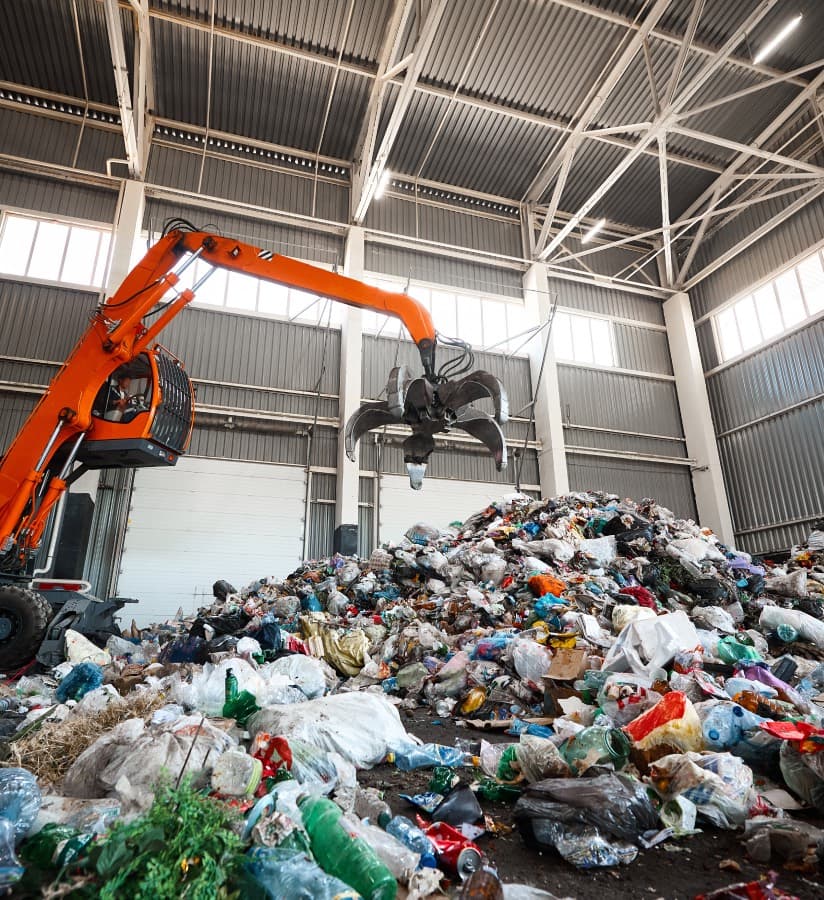
Key takeaway: Before recycling a pallet, ask whether it can be reused or repaired, since those options keep the most value. Wood pallets that are beyond repair can still be used as material, and polypropylene pallets can be ground and reprocessed as plastic. The key is to inspect, grade and never let pallets pile up in the yard.
Pallets are the waste stream nobody plans for, which is why pallet recycling rarely shows up in a plant's environmental program. In a nearshoring operation they arrive with every inbound shipment, often from several countries, in different sizes and materials. They get damaged by forklifts and, almost without anyone noticing, end up taking over half the yard, blocking access routes and becoming a fire and pest risk. When the problem finally gets attention, it is usually solved the most expensive way: hauling everything to disposal.
Recycling is only one of your options. This guide shows how to apply the reuse, repair and recycle hierarchy to both wood and polypropylene pallets, with practical criteria for deciding what to do with each one.
Wood vs. polypropylene: differences that matter at end of life
The pallet's material determines its repair and recycling options:
| Feature | Wood pallet | Polypropylene pallet |
|---|---|---|
| Repair | Simple: replace boards or blocks | Limited; a cracked pallet is rarely repairable |
| Cleaning and hygiene | Absorbs liquids and odors | Easy to wash |
| Cross-border shipping | Requires ISPM 15 treatment and stamp | No phytosanitary treatment required |
| Use cycles | Fewer, extended through repair | More, in well-controlled closed loops |
| End of life | Chipped for other wood uses | Ground and reprocessed as plastic |
Neither is better in absolute terms. Wood wins on repairability; polypropylene wins on durability and hygiene. What matters is giving each type its own flow inside your plant.
Reuse first: how to grade your pallets
Reuse sits near the top of the 5 Rs in industry and delivers the best financial result. Set up a sorting area and split pallets into three grades:
- Grade A, reusable: intact structure, no broken boards, no protruding nails, no contamination. Back to the warehouse immediately.
- Grade B, repairable: localized damage to one or two boards or a single block. Goes to the repair area.
- Grade C, recycle: structural damage, rotten wood, cracked or warped plastic, or contamination that can't be cleaned.
Standardize these inspection points:
- Broken, missing or splintered boards.
- Protruding nails or staples.
- Cracked blocks or stringers.
- Oil, chemical or persistent moisture stains.
- Cracks or warping on plastic pallets.
- A legible ISPM 15 mark, if the pallet will be used for export.
Inbound flows from different supply chains often mix footprints, such as the 48 x 40 inch format common in the US and metric sizes used by suppliers elsewhere. Sort by size as well as grade, since a perfect pallet in a size you never use is not truly reusable at your site.
Repair: when it's worth it
Repairing a wood pallet pays off when damage is limited and the pallet is a size you use often. Keep in mind:
- Compare repair cost (wood, nails, labor) with the cost of a new or refurbished pallet.
- Use boards of equivalent thickness and quality; a weak repair compromises load capacity and warehouse safety.
- For export use, new wood added during repair may need treatment and marking under ISPM 15. Confirm with an authorized provider.
- Track repaired pallets to spot models that fail repeatedly, which may signal you need a different design or material.
Recycling wood pallets
When a pallet is beyond repair, the wood still has uses:
- Chipping for particleboard and other wood products.
- Biomass for energy generation, where there is a nearby user.
- Salvaging sound components to repair other pallets.
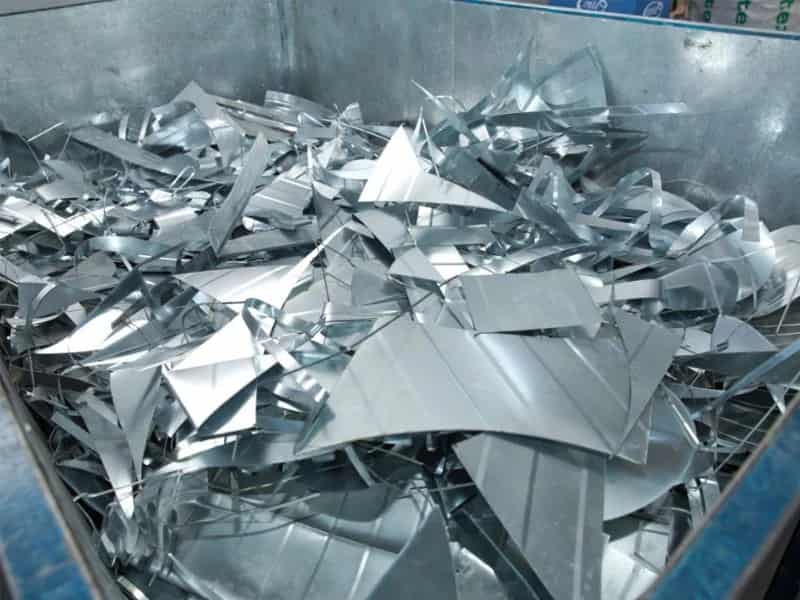
Before sending them out, pull nails, strapping and metal plates and add them to your ferrous scrap, which has its own resale value. Also separate pallets contaminated with oils or chemicals: they should not be chipped or burned without an assessment, since they may require different handling as waste.
Recycling polypropylene pallets
Polypropylene pallets that are no longer safe to load can become raw material:
- Remove labels, strapping and metal reinforcement. Some models have steel tubes inside for added stiffness.
- Clean off product residue, oil or dirt.
- Sort by color when possible, which widens the applications for the recovered material.
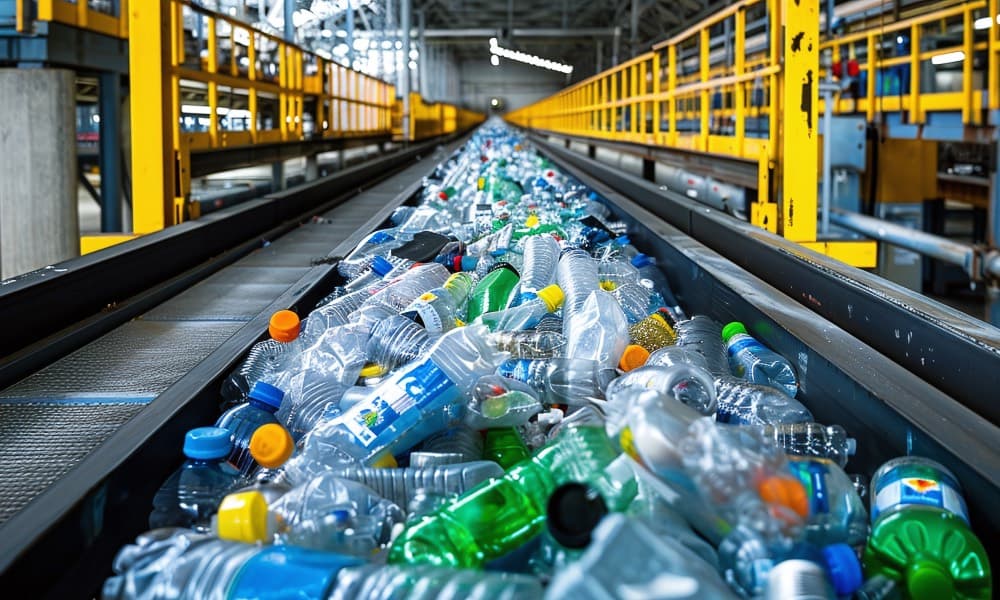
- Send to grinding and reprocessing, where it becomes regrind or pellets for new parts.
Recovered polypropylene has a broad market in injection molding and extrusion. To understand the quality you can expect and where it gets used, see our guide to recycled polypropylene applications.
In the meantime: storing pallets safely
Pallets waiting for grading, repair or pickup need clear rules too:
- Stable stacks with a height limit, so they don't topple onto people or forklifts.
- Distance from buildings, electrical panels and heat sources: a stack of wood pallets is a concentrated fuel load.
- Clear aisles around each stack for inspections and emergency access.
- Separation by grade (A, B and C) with floor markings, so nobody grabs a damaged pallet by mistake.
- Regular checks for pests and moisture, especially for wood stored outdoors.
Your property insurer may also have guidelines on idle pallet storage, and corporate loss-prevention audits often look at it closely, so check those requirements when you lay out the area. Set a maximum pallet count for the yard. When it is reached, repair, return to supplier or shipment to recycling should be triggered automatically, instead of waiting for someone to notice.
Close the loop with suppliers and customers
The most efficient way to cut pallet waste is to keep pallets from getting stuck at your plant:
- Return agreements with frequent suppliers, so they take empties back on their next run, including cross-border carriers on regular routes.
- Standardized footprints with your main suppliers, which makes internal reuse far easier.
- Returnable or pooled pallet systems for repetitive flows.
- Pallet inventory control, treating pallets as an asset rather than as waste.
These practices are part of a broader reverse logistics strategy for recovering packaging and materials across your distribution chain.
How Zikloa can help
Zikloa recycles plastics such as polypropylene and the ferrous scrap separated from pallets, and supplies wood and polypropylene pallets as part of our raw materials catalog. If we already handle other materials for you, we can help integrate damaged pallets and their components into your recycling program, with scheduled pickups and weighing on certified scales.
If pallets are taking up more space than they should, tell us about your situation and we will help you sort out what to reuse, what to recycle and what to replace.
- #pallets
- #polypropylene
- #ispm 15
- #reverse logistics
- #reuse
Frequently asked questions
Can repaired wood pallets be used for shipments to the US?
Yes, as long as they comply with ISPM 15 for wood packaging material. If the repair adds new wood, check with an authorized provider whether the pallet needs to be re-treated and re-marked.
Do plastic pallets need ISPM 15 treatment?
No. ISPM 15 applies to wood packaging material, so polypropylene pallets do not need heat treatment or the stamp. Still, confirm any specific requirements from your customer or destination.
What should we do with nails and steel strapping from wood pallets?
Separate them and send them out with your ferrous scrap. That leaves the wood clean for further use and lets the metal earn its own value.