Contaminated cardboard: 7 mistakes that lower your material's value
Moisture, plastic, grease and mixed grades are the usual reasons cardboard gets discounted. Learn the seven most frequent mistakes and how to prevent them on the plant floor.
By Zikloa TeamPublished 5 min read
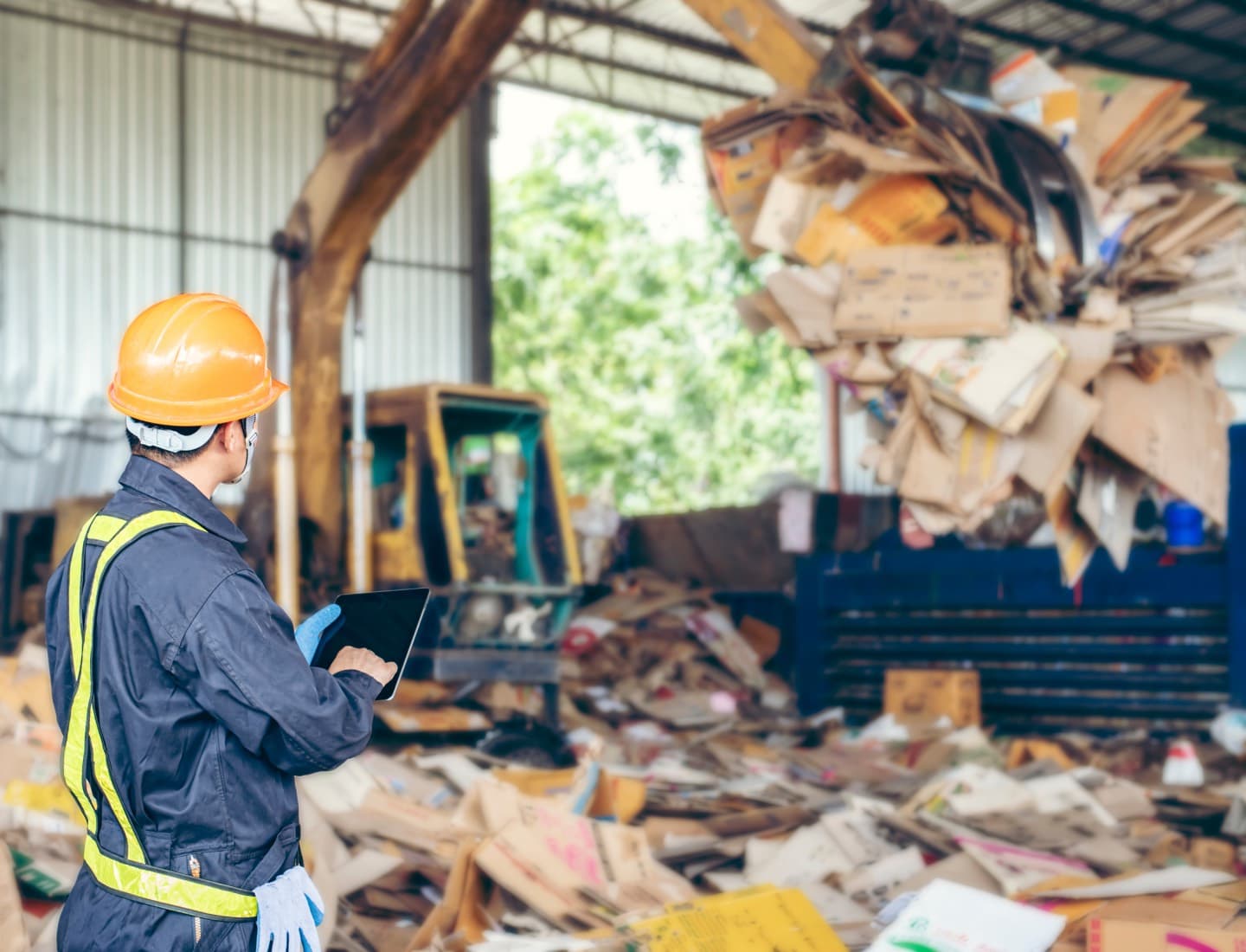
Key takeaway: Contaminated cardboard is worth less or gets rejected. The causes are almost always the same: moisture, food or grease, plastic and foam left inside boxes, waxed board, shared containers with trash, unflattened boxes and mixed grades. All of them are fixed at the point of generation, not in the yard.
Many plants only discover a cardboard quality problem when the settlement arrives with a deduction, or when they are told a load was not accepted. By then the cardboard contamination has already left the site and tracing it back is hard.
For companies operating in Mexico with imported components, the risk is higher than it looks. Overseas shipments tend to arrive heavily protected: layers of stretch film, foam corners, plastic dividers, desiccant packs and steel or plastic strapping, all inside the box you want to recycle. The good news is that the mistakes that lower cardboard value are well known and repetitive. Fix them at the source and you protect revenue, avoid disputes with your recycler and keep your diversion metrics clean.
Why contamination costs you money
Cardboard is recycled by turning it into pulp with water. Anything that isn't fiber has to be removed at the mill, and that costs money. Buyers therefore price according to load quality: they deduct weight that isn't usable fiber, apply moisture adjustments or reject loads they cannot process.
There is a reporting cost too. A contaminated load that ends up in disposal no longer counts as recycled, so the true cost includes lost revenue, freight paid for nothing and a diversion number you can no longer report to corporate.
There is a less visible effect as well. A track record of clean, consistent loads strengthens your position when you negotiate terms. Recurring deductions do the opposite: the buyer starts treating you as a higher-risk supplier and prices that risk into every offer.
The 7 most common mistakes
1. Storing cardboard outdoors
Rain and humidity make cardboard absorb water. That extra weight isn't fiber, so it gets deducted; wet cardboard also weakens and can grow mold. Fix: stage it under a roof, on pallets, never directly on floors that puddle. Pay extra attention during Mexico's rainy season, when a single storm can fill an open container and ruin a full load; cover it with a tarp if you have no roofed space.
2. Mixing it with food or grease
Cafeteria boxes, food packaging and cardboard used as drip mats in maintenance areas carry grease the process can't remove. Fix: keep cardboard containers away from the cafeteria and make it clear that dirty cardboard goes to general trash or its own stream.
3. Leaving plastic, foam and strapping inside
Stretch film, bags, foam, plastic dividers, desiccant packs and strapping are the most frequent contaminants, especially at receiving. Fix: set up an unpacking station with separate containers for each material, so emptying a box and sorting its contents happen in a single motion.
4. Mixing waxed or coated board with regular corrugated
Some boxes for refrigerated goods, produce or chemicals have wax or plastic coatings that resist water and don't break down in pulping. Fix: teach staff to spot them (they look glossy or feel waxy) and keep them out; ask your recycler whether there is another outlet.
5. Sharing a container with general trash
When cardboard goes into the same container or compactor as other waste, it is contaminated beyond recovery. Fix: a dedicated, labeled container in a color different from trash bins.
6. Not breaking down boxes
Assembled boxes take up far more space and often hide trash inside. They also mean more pickups for the same weight. Fix: make flattening part of the written procedure, with a safe cutting tool available in every area. If flattening is already the rule and volume still overwhelms you, it may be time to evaluate a baler.
7. Mixing grades without agreement
Corrugated cardboard, paperboard, office paper and archived records are different grades. Combining them without agreement means the whole load is paid at the lowest grade. Fix: agree with your recycler which grades you will separate and apply that rule consistently.
Quick diagnostic table
| Mistake | Effect on the material | Where it usually starts |
|---|---|---|
| Wet cardboard | Moisture deduction, degradation | Yard, uncovered docks |
| Grease or food | Rejected pieces or loads | Cafeteria, maintenance |
| Plastic and foam | Contaminant deduction | Receiving |
| Waxed board | Unprocessable material | Cold storage or chemical warehouse |
| Shared container | Unrecoverable load | Areas without a dedicated bin |
| Unflattened boxes | More pickups, hidden trash | Every area |
| Mixed grades | Lowest-grade price | Offices and warehouse |
What isn't a problem
To keep the rules simple, make it clear that packing tape, paper labels and box staples in normal amounts rarely trigger deductions, because pulping removes them. Focus your team's attention on the mistakes that actually affect value.
Weekly prevention checklist
Assign an owner in each area and check every week:
- Is the cardboard container under a roof, with no water at the bottom?
- Is there plastic, foam, desiccant or strapping inside?
- Are boxes flattened?
- Is the container away from the cafeteria and grease sources?
- Is the signage visible, bilingual if needed, and in good condition?
- Did the recycler report deductions or quality comments on the last pickup?
Findings are best corrected with immediate feedback and short, on-the-spot training. Our article on employee recycling training shows how to structure it. If the problem is the staging area itself, review our best practices for temporary on-site waste storage.
What to do if you've already been charged a deduction
- Ask your recycler for evidence: photos, weigh ticket and a description of the contaminant.
- Trace the source area from the type of contaminant.
- Apply a specific corrective action, not a generic reminder.
- Follow up on the next few pickups to confirm it is resolved, and log it in your corrective-action system like any other quality issue.
How Zikloa can help
Zikloa collects and buys cardboard from businesses, weighs every load on certified scales and can share observations on material quality so you can fix issues at the source. If you are just getting started, our guide to building a cardboard recycling program helps you lay the groundwork.
Contact us if you want to review the quality of your cardboard and set up a separation scheme that protects its value.
- #cardboard
- #contamination
- #material quality
- #source separation
Frequently asked questions
Do packing tape and labels contaminate cardboard?
Not in normal amounts. Tape, paper labels and box staples are removed during pulping. The real problems are bulky materials such as plastic film, foam and strapping.
Why are we charged for moisture when the cardboard looks dry?
Cardboard soaks up water from humid air and wet surfaces without visible signs. If it sat on a damp floor or through recent rain, it can weigh more than its dry fiber content, and buyers adjust for that.
Can oil-stained cardboard be recycled?
Small stains may be tolerated depending on the buyer, but oil- or grease-soaked cardboard should be separated. If the oil is industrial, assess whether the waste must be managed as hazardous under Mexican rules.