Special handling waste in Mexico: what it is and how to manage it
Mexico's largest industrial waste category has no exact equivalent abroad. Learn what qualifies, who regulates it and how to manage it compliantly without losing material value.
By Zikloa TeamPublished 5 min read
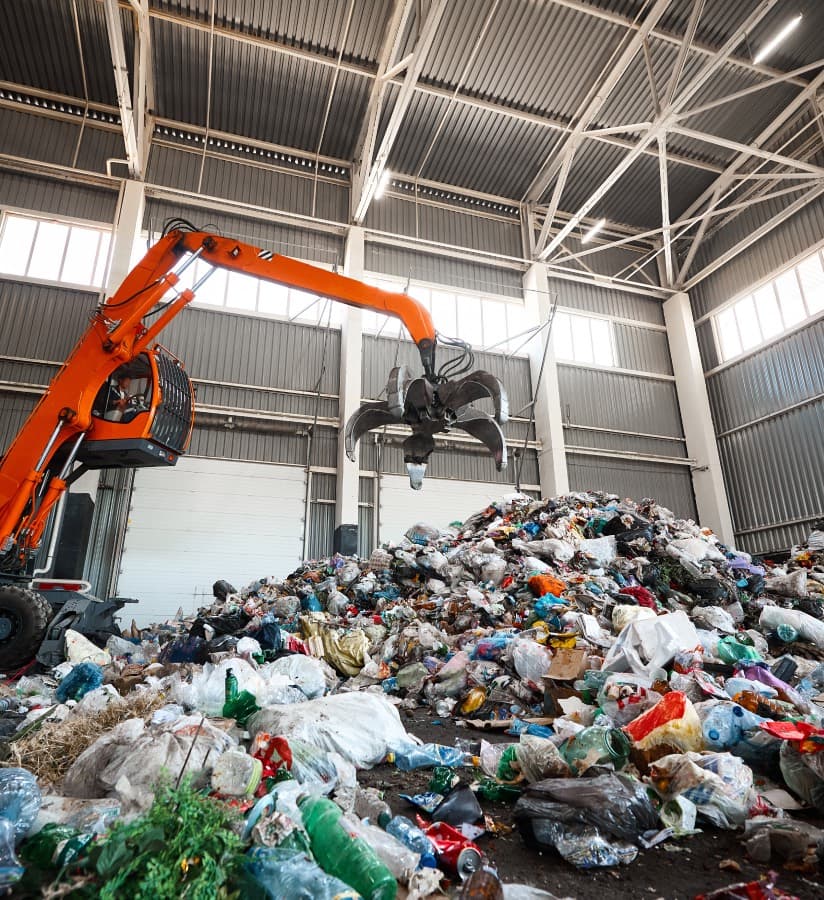
Key takeaway: In Mexico, special handling waste (residuos de manejo especial) is waste from production processes that isn't hazardous or municipal solid waste, plus waste from large generators of municipal-type waste. State governments regulate it, it often requires a management plan, and much of it, such as cardboard, plastics, metals and pallets, can be recycled.
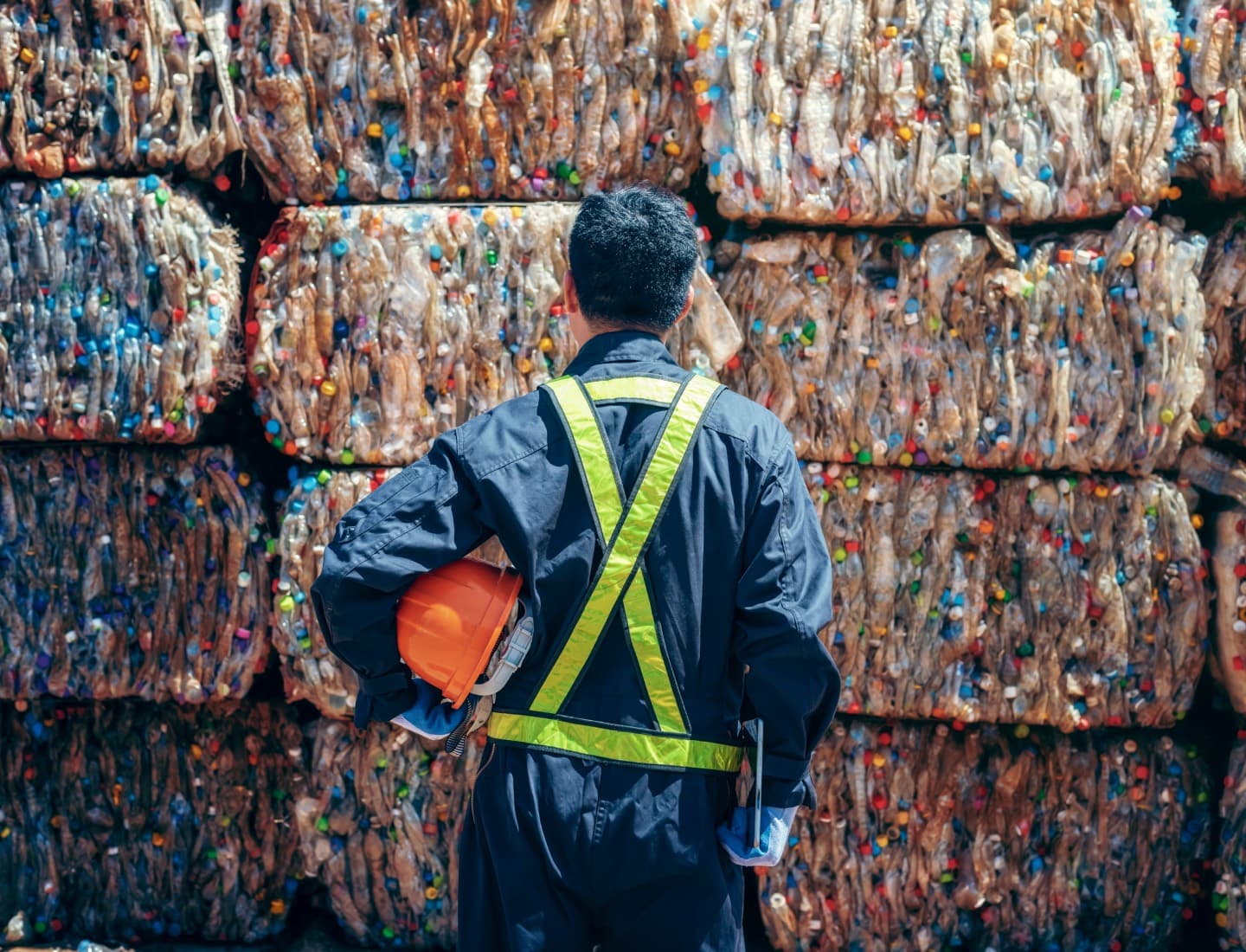
If your plant in Mexico generates plastic scrap, cardboard, scrap metal or broken pallets, it generates special handling waste, even if your corporate procedures call it something else. For most manufacturers it's the largest waste category by volume, yet it gets far less attention than hazardous waste.
Foreign managers often equate it with "non-hazardous industrial waste" back home. That's a reasonable starting point, but in Mexico this category has its own legal definition, its own authority and its own paperwork. Getting it right affects compliance, vendor selection and how much value you recover.
What special handling waste is
Mexico's General Law for the Prevention and Integral Management of Waste (LGPGIR) sorts waste into three groups:
- Hazardous waste: has a hazardous characteristic (corrosive, reactive, explosive, toxic, flammable or biologically infectious, known in Mexico by the Spanish acronym CRETIB). Regulated federally through SEMARNAT.
- Municipal solid waste: generated in households, plus household-type waste from other activities. Regulated by municipalities.
- Special handling waste: generated by production processes that don't meet the criteria to be hazardous or municipal solid waste, or produced by large generators of municipal solid waste. Regulated by the states.
In practice: if a waste comes from industrial operations, isn't hazardous and isn't household-type trash, it's most likely special handling waste.
Common industrial examples
The LGPGIR lists several categories of special handling waste, including construction and demolition waste, technological waste, wastewater treatment sludge and used tires. On top of those, non-hazardous waste from any production process falls here. In a typical plant you'll see:
| Waste | Examples | Can it be recovered? |
|---|---|---|
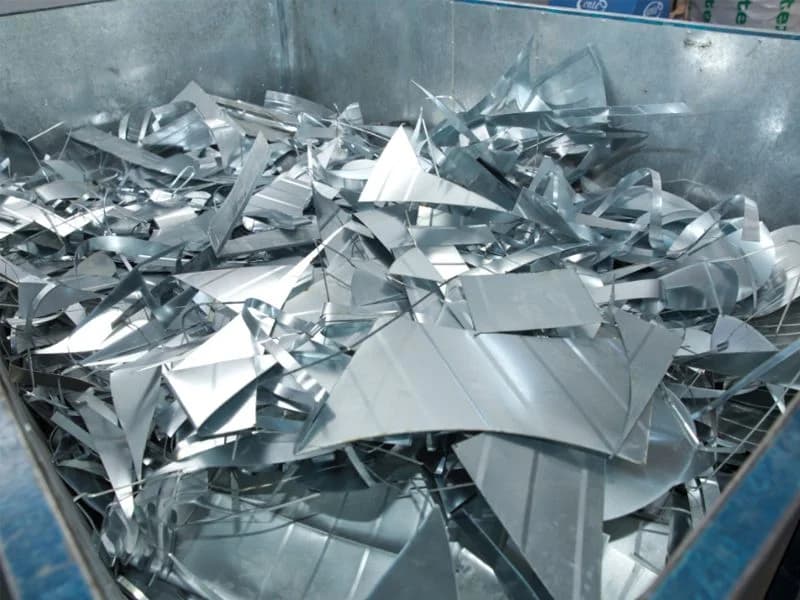
| Process waste | Plastic scrap, purgings, cardboard, paper, ferrous and non-ferrous scrap, metal chips | Yes, most of it has a recycling market |
| Pallets and packaging | Wood or plastic pallets, strapping, stretch film | Yes: reuse, repair or recycling |
| Construction and demolition | Rubble, concrete, rebar | Partly: metals are recycled and rubble can be crushed |
| Technological waste | IT equipment, circuit boards, obsolete devices | Yes, after removing components that may be hazardous |
| Treatment sludge | Non-hazardous sludge from wastewater plants | Depends on composition |
| Used tires | Forklift and vehicle tires | Yes, through specialized collection programs |
The exact lists depend on the law, NOM-161-SEMARNAT-2011 and each state's legislation.
One case often goes unnoticed: household-type waste (cafeteria, office and restroom waste) is normally municipal solid waste, but when a company generates it in large volumes, the legal definition places it in the special handling category. A large corporate office or an industrial cafeteria can fall into this group.
Who regulates it, and why your state matters
Unlike hazardous waste, which follows common federal rules, special handling waste depends on each state's legislation. Requirements can differ from one state to another: generator registration, authorization of collection, storage and recycling providers, management plans and periodic reports.
If you operate in several states, such as Nuevo León and Mexico City, don't assume one site's procedure works at the other. This is also why a single corporate waste procedure for Mexico usually needs state-specific annexes, and why your local EHS lead should own the relationship with the state authority.
Before meeting the state authority or your consultant, have clear answers to these questions:
- Do we need to register as a generator of special handling waste?
- Which of our streams are subject to a management plan?
- What authorization must each provider hold to collect, transport, store or recycle our material?
- Which periodic report applies to us, in what format and by what date?
How to tell it apart from hazardous waste
The line isn't always obvious. An empty plastic container can be special handling waste; the same container with solvent residue can be hazardous. To decide:
- Check whether the waste appears on the hazardous lists or shows a hazardous characteristic under NOM-052-SEMARNAT-2005.
- Consider whether it was in contact with hazardous substances during the process.
- If there's reasonable doubt, have it tested by an accredited laboratory.
We cover these criteria in more depth in hazardous vs. special handling waste. Keep in mind that mixing hazardous waste with special handling waste can force you to manage the whole mix as hazardous.
Management plans: when you need one
NOM-161-SEMARNAT-2011 sets the criteria to classify special handling waste and determine which wastes are subject to a management plan. Broadly, the obligation depends on the type of waste and how much you generate; large generators (the law's reference point is 10 metric tons or more of waste per year) are generally required to have one.
A management plan describes what you generate, how much, how you separate, store and transport it, and where it goes. We explain the structure in waste management plans in Mexico and the thresholds in Mexico's waste generator categories.
Managing it step by step
- Identify and classify each stream and rule out hazardous characteristics.
- Quantify annual generation to establish your generator category.
- Complete the state requirements that apply: registration, management plan and reports.
- Separate at the source to preserve the value of recyclables.
- Store material in an orderly area, protected from rain and separate from hazardous waste.
- Hire authorized providers for collection, storage and recycling, and keep copies of their current permits.
- Keep evidence of every shipment: weight tickets, delivery notes and recycling or disposal certificates. These are also the documents corporate and customer auditors will ask for.
What to ask your provider for
Before the first load leaves, request:
- A copy of the current state authorization for the activity it will perform: collection, transport, storage or recycling.
- The address of the facility where your material will go.
- A weight ticket for every load, ideally from a certified scale.
- A periodic recycling certificate stating material type, weight and period.
If your corporate vendor-qualification process asks for documents that don't exist under Mexican rules, work with your local EHS lead to define the closest local equivalent rather than leaving the file incomplete.
Common mistakes
- Sending special handling waste out with municipal trash, as if it were household waste.
- Hiring whoever "takes everything" without checking authorizations.
- Failing to keep proof of final destination.
- Assuming "non-hazardous" means "no obligations."
- Mixing recyclable streams and losing their value.
This article is informational. Requirements differ by state and change over time, so validate your situation with the state environmental authority or a local environmental consultant.
How Zikloa can help
Most of a plant's special handling waste consists of materials Zikloa recycles: plastics, cardboard, paper, aluminum, copper and ferrous scrap. We help you separate them, collect them with roll-off containers or a grapple crane, and send them to recycling as part of a comprehensive recycling program.
To find out which of your special handling waste streams we can take, contact us.
- #special handling waste
- #mexico regulations
- #lgpgir
- #waste management plan
Frequently asked questions
Is special handling waste the same as non-hazardous industrial waste?
It's the closest equivalent, but not identical. In Mexico it's a legal category defined by the LGPGIR, overseen by state governments, and some types are subject to management plans under NOM-161-SEMARNAT-2011.
Which authority do we deal with for special handling waste?
The environmental authority of the state where the plant operates. Each state sets its own procedures for generator registration, provider authorizations and reporting, so a plant in Nuevo León and one in Mexico City may face different requirements.
Do we need a management plan for our special handling waste?
It depends on the type of waste and how much you generate; large generators are generally required to have one. Confirm your specific case with the state authority or a local environmental consultant.