Micro, small and large generators: Mexico's waste categories explained
How Mexico ranks hazardous waste generators by annual volume, what each tier must do, and why your plant can be in one tier for hazardous waste and another for special handling waste.
By Zikloa TeamPublished 5 min read
Key takeaway: Mexico ranks hazardous waste generators by annual volume: microgenerator (up to 400 kg), small generator (400 kg to under 10 metric tons) and large generator (10 tons or more). The higher the tier, the heavier the paperwork. Large generators must register, keep a waste log, file a management plan and an annual report, and carry environmental insurance. Special handling waste follows separate, state-level rules.
Understanding waste generator categories in Mexico is one of the first compliance tasks for any new plant. Your tier decides how you register, which records you keep, what you report each year and what an inspector expects to see in your storage area.
If your EHS team comes from the US, the logic will feel familiar, with two key differences. Under RCRA, generator status is based on monthly quantities; Mexico counts per year. And Mexico uses entirely separate rules, set by each state, for non-hazardous industrial waste. This guide walks through both.
The three hazardous waste generator tiers
The General Law for the Prevention and Integral Management of Waste (LGPGIR) and its regulations define the tiers by gross annual weight, or its equivalent in another unit:
- Microgenerator (microgenerador): an industrial, commercial or service establishment generating up to 400 kg of hazardous waste per year.
- Small generator (pequeño generador): 400 kg to under 10 metric tons per year.
- Large generator (gran generador): 10 metric tons or more per year.
Three practical points. First, you add up all hazardous waste generated in the year, not each stream separately. Second, if you measure liquids in liters, convert them to weight. Third, if your company runs several plants in Mexico, the regulations allow combined generation to be used to determine the tier. Discuss with your consultant whether that makes sense for you.
Obligations by tier
| Obligation | Microgenerator | Small generator | Large generator |
|---|---|---|---|
| Registration | State or municipal authority; SEMARNAT where no state agreement exists | SEMARNAT | SEMARNAT |
| Waste log (bitácora) | Not expressly required by law | Yes | Yes |
| Management plan (plan de manejo) | Follow established plans | Where applicable | Yes, submitted to SEMARNAT |
| Annual report via COA | Not because of this tier | Not because of this tier | Yes |
| Environmental insurance | No | No | Yes |
| Maximum storage time | Six months | Six months | Six months |
Small and large generators must also identify and classify their waste and keep incompatible wastes apart. Waste goes in suitable containers labeled with the generator's name, the waste name, its hazard characteristics and the date it entered storage. Only authorized haulers may transport it, and a closure notice is required if operations stop.
Microgenerators get one allowance: they may take their own properly identified and packaged waste to an authorized collection center, in loads of up to 200 kg per trip.
A large generator's annual report is filed through the Annual Operating Certificate (Cédula de Operación Anual). See our guide to the COA. To stay within the six-month limit, review our temporary waste storage best practices.
How to work out your tier
- List every hazardous stream: used oil, solvents, sludge, contaminated rags and wipes, contaminated containers, lamps, batteries and lab waste.
- Include one-off waste: tank cleanouts, major maintenance, lighting replacements and expired products all count.
- Weigh instead of estimating, and log every entry into storage.
- Add up twelve months and convert volumes to kilograms using each waste's density.
- Register or update. SEMARNAT's portal assigns a registration number and tier when you enter your data.
The regulations provide for a tier change when generation rises or falls for two consecutive years. If production has ramped up since start-up, check whether you have crossed the 10-ton threshold.
What about special handling waste?
This is where many foreign-owned plants get caught out. The LGPGIR tells each state to set obligations for special handling waste (residuos de manejo especial) generators, distinguishing large from small. The federal law defines a large generator as anyone producing 10 tons or more of waste per year. NOM-161-SEMARNAT-2011 uses that threshold to require a waste management plan for certain listed wastes.
Some states add their own metrics. Mexico City's local law, for example, treats anyone generating an average of 50 kg or more of solid waste per day as a high-volume generator. Always check the state law, not just the federal one.
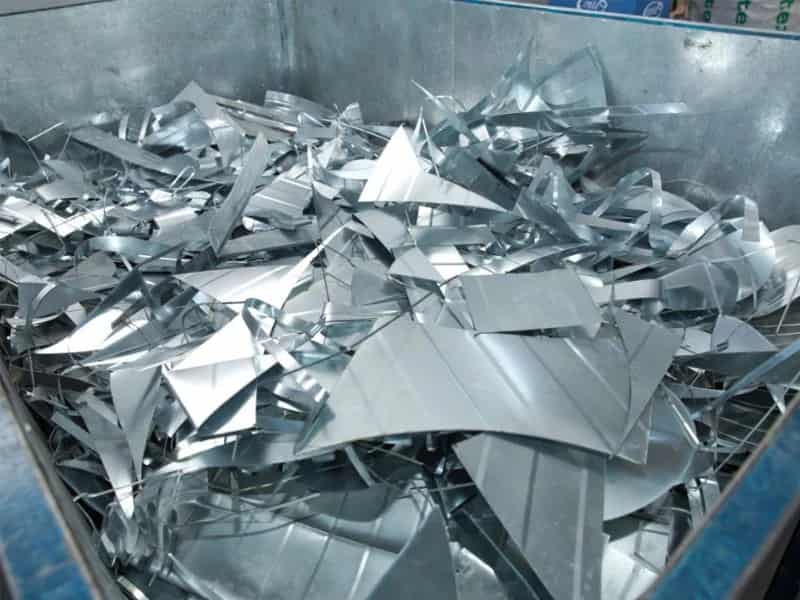
The result is very common in manufacturing. A plant can be a small hazardous waste generator and, at the same time, a large special handling waste generator because of its cardboard, scrap metal, pallets or plastic. That means two registrations with two different authorities.
Common mistakes
- Calculating the tier from estimates instead of actual weights.
- Leaving out maintenance or project waste.
- Not updating the registration when volumes change.
- Assuming the hazardous waste tier also covers special handling waste.
- Mixing hazardous waste with recyclables. Under the regulations, a mixture with listed or toxic hazardous waste is hazardous, which inflates your volume and can push you into a higher tier.
Important note: rules for microgenerators and for special handling waste depend on state laws and federal-state agreements that change over time. Confirm your tier and obligations with the competent authority or a local environmental consultant.
What inspectors check by tier
When PROFEPA, the federal environmental enforcement agency, visits a plant, the review usually starts with documents and ends in the storage area. Have ready:
- All tiers: generator registration, identified and labeled waste, and proof that nothing has been stored longer than six months.
- Small and large generators: an up-to-date log of storage entries and exits, a manifest for every shipment and current authorizations for haulers and receiving facilities.
- Large generators, in addition: the management plan registration number, the latest COA filing receipt and the environmental insurance policy.
Storage areas must be separated from production and offices, with spill containment, fire equipment and signage, and drums stacked no more than three high. Gaps between the log, the manifests and what is physically on site are the first thing an inspector will notice.
How Zikloa can help
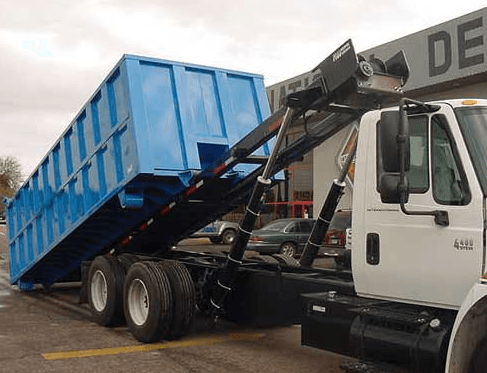
Separating recyclables properly keeps them from being contaminated and adding to your hazardous waste volume. Zikloa collects and recycles plastics, cardboard, paper and metals with 15, 20 and 30 m³ roll-off containers and weighs every load on certified scales. Those weights show how much of each special handling waste you generate and whether you are nearing the thresholds that trigger obligations.
If you want to organize your recyclable streams in Nuevo León or Mexico City, contact us and tell us what you generate. We'll suggest pickup frequencies and container sizes for your plant.
- #waste generator categories
- #hazardous waste
- #large generator
- #mexico compliance
- #semarnat
Frequently asked questions
How does a new plant register as a hazardous waste generator in Mexico?
Small and large generators register through SEMARNAT's online portal, entering company data, the hazardous wastes they expect to generate and estimated annual quantities. The system issues a registration number and tier. Microgenerators register with the state or municipal authority, or with SEMARNAT where no state agreement exists.
What happens if our volumes change and we move to another tier?
The regulations provide for a tier change when generation rises or falls for two consecutive years. You request it in the same SEMARNAT system, explaining the reason and the new tier.
Does generating lots of cardboard or scrap make us a large hazardous waste generator?
No. The classifications are separate. Cardboard and scrap metal are usually special handling waste regulated by the state; your hazardous waste tier is calculated only from the hazardous waste you generate.