How to cut waste disposal costs in your company
Your hauler's invoice is only part of what waste costs you. Learn to calculate net cost per ton and apply five practical levers to bring it down at your Mexican site.
By Zikloa TeamPublished 6 min read
Key takeaway: Your waste disposal cost isn't just the landfill fee. It includes freight, container rental, labor and the revenue you lose by throwing away sellable material. To reduce it, calculate your net cost per ton and work five levers: sell recyclables, pay for real weight, tighten logistics, prevent contamination and reduce at the source.
For many plants, waste is a budget line paid every month without much scrutiny. That's especially common at newer sites in Mexico, where the first hauler is often whoever was available during startup and the contract has never been revisited since. If you want to reduce waste disposal costs, the first step is knowing what you actually pay; the second is going after the causes in order of impact.
This article is for plant, procurement and EHS managers who need to back decisions with numbers that will survive a review by corporate finance.
What your disposal cost is really made of
The hauler's invoice is only part of it. Total cost includes:
- Disposal fee: charged by the landfill or receiving site, per ton or per trip.
- Freight and handling: transport and loading time, which rise when material is disorganized or hard to reach.
- Container rental: you pay for equipment whether it's full or half-empty.
- Internal labor: staff time spent hauling, sorting or rearranging waste.
- Administration: contracts, invoices, permits and recordkeeping, plus the time spent reconciling local documents with corporate accounting.
- Opportunity cost: revenue you forgo when recyclable material leaves as trash.
That last item never appears on an invoice, but at many plants it's the largest.
How to calculate your net cost per ton
Use a single metric that works across periods, streams and sites:
Net cost per ton = (total waste management spend − revenue from recyclables) ÷ total tons generated
Calculate it plant-wide and, if possible, by stream. You need three inputs: supplier invoices, sales receipts for material, and real weights per shipment. Use metric tons consistently so the figure compares cleanly with other sites in your network. A negative result means your waste, taken as a whole, already earns more than it costs.
When you review results by stream, look for three signals:
- High-cost streams with no revenue: candidates for separation or source reduction.
- Recyclables with low revenue: check cleanliness, presentation and volume per load before blaming the market price.
- Costs rising while output stays flat: check waste generated per unit produced; something changed in the process.
With that diagnosis, these are your levers:
| Lever | What it attacks | What you need | Start here if... |
|---|---|---|---|
| Sell recyclables | Opportunity cost and disposal fees | Source separation | Cardboard, plastic or metal is visible in general trash |
| Pay for real weight | Trips that haul air | Baling, right-sized containers, scale tickets | You pay per trip and bins leave half-full |
| Tighten logistics | Unnecessary trips and handling | Generation data | You have several vendors or unscheduled pickups |
| Prevent contamination | Rejected loads and reclassification | Training and inspections | Loads get rejected or downgraded |
| Reduce at the source | Total volume | Purchasing and process changes | The other levers are already in place |
Lever 1: Pull sellable material out of the landfill stream
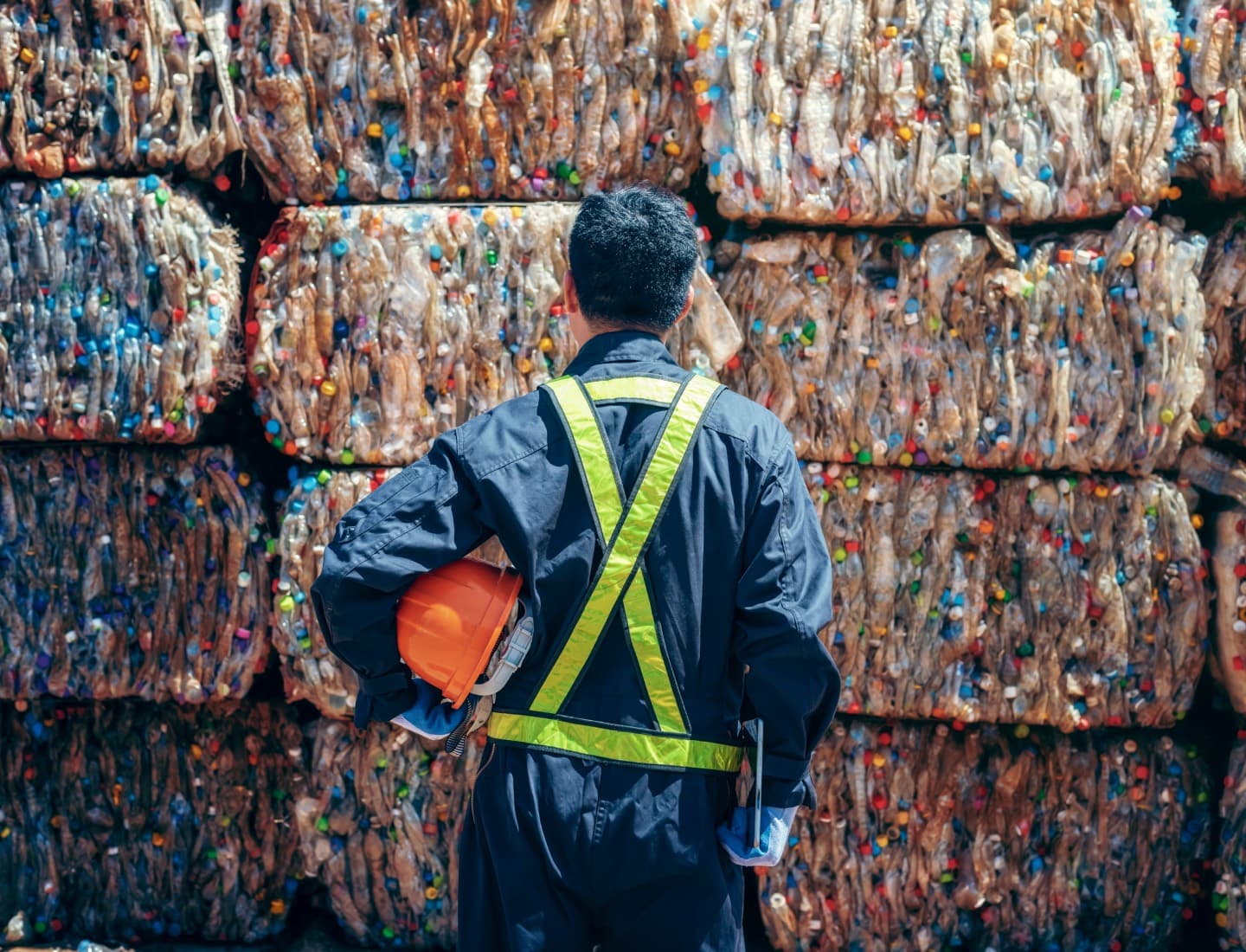
Every ton of cardboard, plastic or metal that moves from trash to recycling has a double effect: you stop paying to dispose of it and start getting paid for it. That's why this lever has the highest return at almost any plant.
Start with clean, high-volume streams. What you receive will depend on the material, its cleanliness, volume, presentation and market conditions; for metals, international reference prices play a major role, as we explain in how scrap metal prices are set in Mexico.
When negotiating, also ask how weight and quality are determined: whether the buyer deducts for moisture or contamination, on what criteria, and how it's documented. Clear rules up front prevent disputes on every load and make the numbers easier to explain to corporate finance.
Lever 2: Pay for material, not air
If you pay per trip, every container that leaves half-full or loaded with loose, bulky material costs the same as a well-packed one. Three actions help:
- Bale or compact bulky materials such as cardboard and film. Assess whether a cardboard baler makes sense for your volume.
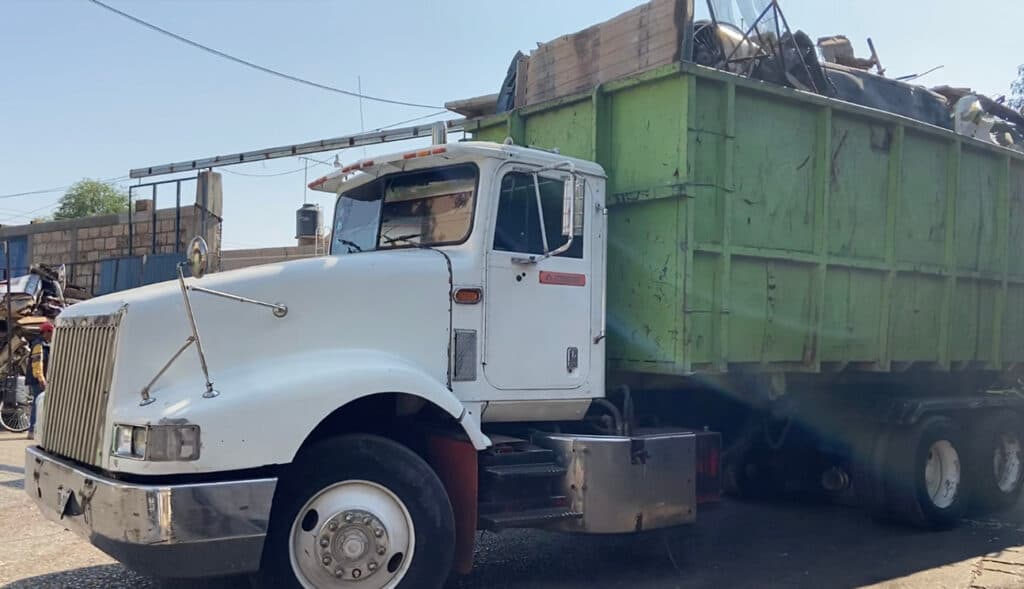
- Choose the right container. Too big and it leaves half-empty; too small and you need extra trips. Our guide to roll-off container sizes can help.
- Require a scale ticket for every load, so what you pay and what you're paid are based on actual weight rather than estimates.
Lever 3: Tighten frequency and consolidate vendors
"Just in case" pickups create unnecessary trips; late pickups create pileups, clutter and longer handling. With generation data, you can set a frequency that matches how fast each container really fills, and switch between scheduled and on-call service where it makes sense.
Watch site access too. If the truck waits because the container is blocked by pallets or forklifts, that time eventually shows up in your service cost. A clear loading area and an agreed pickup window cut handling time.
Also count your vendors. One for cardboard, another for metal and a third for trash means more visits, contracts and invoices, and more vendor files to keep current for corporate compliance. Consolidating where it makes sense simplifies administration and can improve your terms. Before you do, confirm the chosen provider holds the authorizations required for each waste type in Mexico.
Lever 4: Stop contamination from turning recyclables into trash
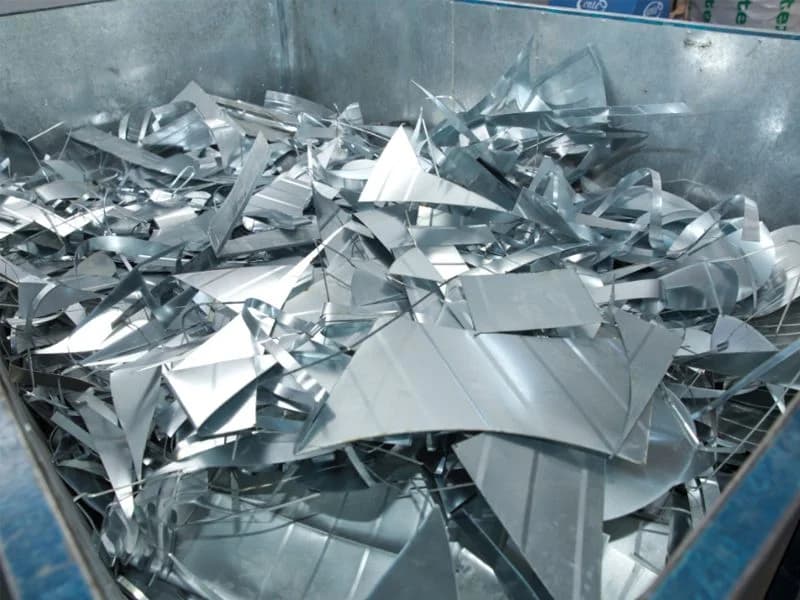
A cardboard load with plastic, food or moisture may sell for less or be rejected. Scrap metal mixed with dirt or trash gets discounted on weight. And if a hazardous item, such as a solvent-soaked rag, ends up mixed with non-hazardous waste, you may have to manage the whole mix as hazardous, which costs far more.
Prevention is cheap:
- Lidded containers, protected from rain.
- Clear separation in every area, with signage.
- A quick visual check before each pickup.
- A dedicated hazardous waste container kept away from recyclables.
Lever 5: Reduce at the source
The cheapest waste is the waste you never generate. Once the basics are in order, look at:
- Process scrap: machine setups, start-ups and mold changes that produce avoidable scrap.
- Supplier packaging: ask for returnable packaging, or for suppliers to take back pallets and containers. In cross-border supply chains, returnable packaging programs are often worth raising with your key suppliers.
- Purchasing: buy in bulk where possible and specify recyclable packaging.
- Internal reuse: pallets, boxes and dividers that can circulate several times inside the plant.
This lever requires coordination with purchasing and production, but its results compound over time and don't depend on recyclable market prices.
Next step
Zikloa combines waste collection, with 15, 20 and 30 m³ roll-off containers and grapple crane service, with the purchase of the recyclables you separate, weighed on certified scales. That lets you work several levers at once: less material to landfill, payments based on real weight and fewer vendors to coordinate.
If you want to review your current setup and find where the money goes, request a quote.
- #waste disposal costs
- #cost reduction
- #recycling revenue
- #waste logistics
Frequently asked questions
Should we pay for waste pickup per trip or per ton?
It depends on the waste. For light, bulky material, paying per trip pushes you to fill and compact every container; for heavy material, weight-based pricing usually reflects the service better. Either way, ask for a scale ticket for every load.
Doesn't separating recyclables increase labor costs?
It takes some organization at first, but well-designed source separation adds little work, and every ton that moves from trash to recycling stops costing disposal and may generate revenue. Measure both sides before deciding.
How can we compare waste costs across sites in different countries?
Use net cost per metric ton, by stream, calculated the same way at every site. Absolute costs vary by market, but the structure (disposal, freight, equipment, labor and recyclable revenue) is comparable.