Stretch film and polyethylene bags: how to recycle them on site
Stretch film takes up lots of space and weighs very little. How to collect it clean, keep it apart from other plastics and bale it so it recycles with value.
By Zikloa TeamPublished 5 min read
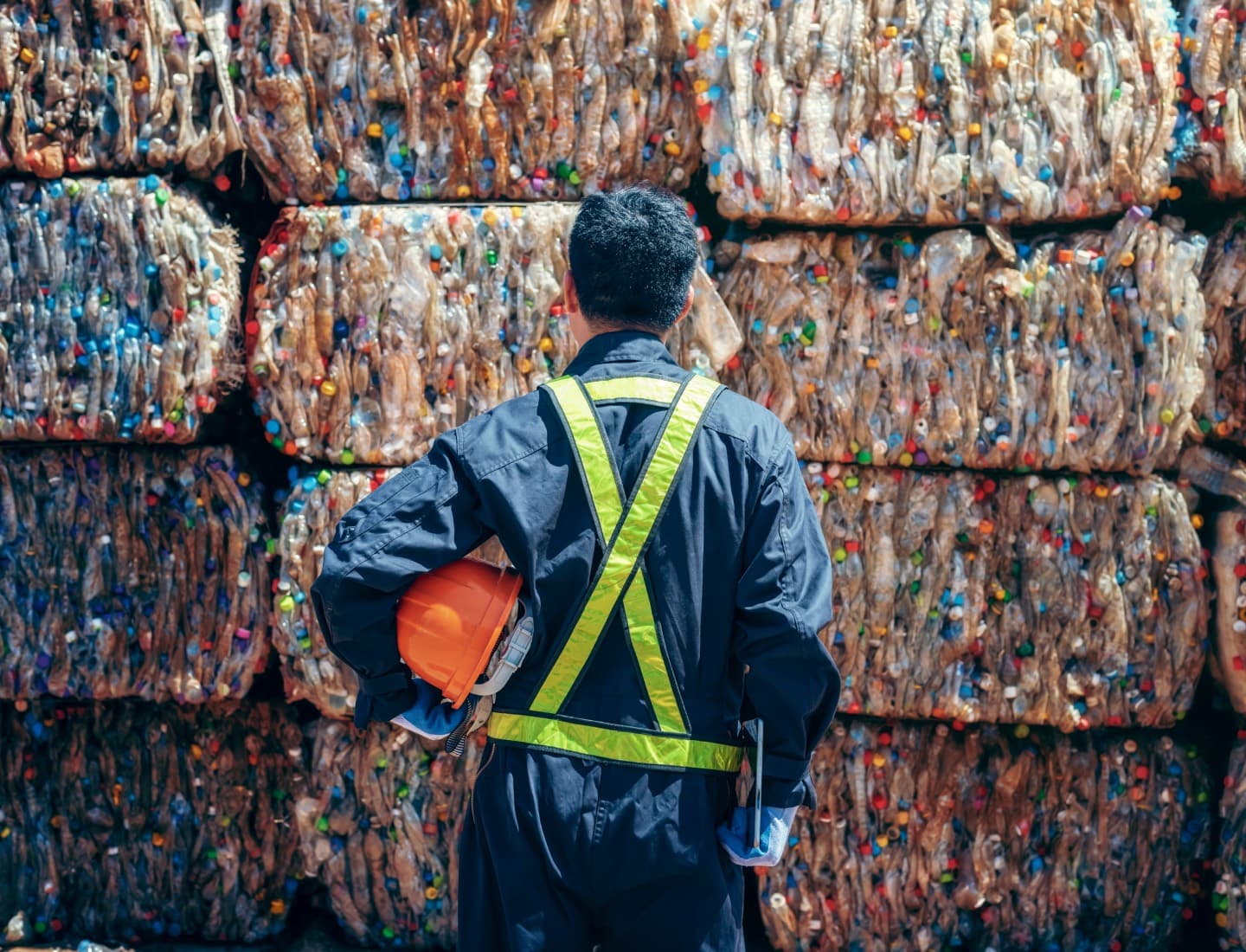
Key takeaway: Stretch film and polyethylene bags recycle well when they arrive clean, dry and free of other materials. The keys are collecting them right where pallets are unwrapped, separating clear from colored film, removing labels and tape, and baling them so you are not paying freight to haul air.
If your facility receives palletized goods, stretch film recycling is a daily issue. Every inbound pallet comes wrapped, and warehouses and distribution centers also pile up bags, shrink film and bubble wrap. Film weighs little but takes up a lot of room, and when it is handled as trash it fills containers fast.
This is especially visible in nearshoring operations, where high inbound volumes from Asian and US suppliers arrive on wrapped pallets, and where corporate zero-landfill goals often flag film as one of the hardest streams to divert. The good news is that clean film is a sought-after raw material for new bags and film. Whether it finds a buyer or ends up in landfill depends on how you handle it inside your plant.
Why polyethylene film recycles well
Stretch film is made mostly from linear low-density polyethylene (LLDPE), often as a coextruded multilayer film. Bags, shrink film and bubble wrap are usually LDPE or LDPE/LLDPE blends. They all belong to the same family, so they can be recycled together as long as no other materials are mixed in.
Clear, unprinted film is the most valuable: without pigments or inks, the recycled resin can go into a wide range of products and colors. It becomes bags, trash bags, construction and agricultural film, and plastic lumber profiles, among other products.
Which films go together and which do not
| Material | Goes with PE film? | Note |
|---|---|---|
| Clear stretch film | Yes, main category | Highest value |
| Colored or black stretch film | Separate category | Limits recycled end uses |
| Clean, clear PE bags | Yes | Remove labels and tape |
| Printed bags | Ask your buyer | Inks reduce value |
| Shrink film and bubble wrap | Yes | Both are polyethylene |
| Woven raffia sacks and bulk bags | No | Woven polypropylene |
| Adhesive tape and strapping | No | PP or PET, with adhesive |
| Metallized or multilayer film | No | Cannot be recovered with PE |
| Film with cardboard, paper or labels | Only once removed | Contaminants |
A quick floor test: PE film stretches and deforms before it tears; the oriented polypropylene (BOPP) used in tape and packaging is stiffer, crackles when crumpled and tears in a straight line once nicked.
Where and how to collect it on site
The most common mistake is waiting for film to reach the waste storage area. By then it has been on the floor, mixed with trash or gotten wet. Instead:
- Collect at the unwrapping point: receiving docks, raw material warehouses and line-side staging areas.
- Use carts or bag hoops that keep film off the floor, where it picks up dust, gravel and oil.
- Separate clear and colored film from the start.
- Remove labels and tape during unwrapping, or cut off and discard the section where they are stuck.
- Put the film bin closer than the trash bin. People use whichever is within reach.
- Train forklift operators and warehouse staff, who generate most of this waste. Bilingual signs with photos help when supervisors and auditors come from abroad.
Baling: the step that makes it pay
Loose film is mostly air. Sending it that way means paying for trips that move very little weight. A vertical baler turns it into dense bales that are easy to stack, count and weigh. If you are already evaluating one for cardboard, see our guide to cardboard balers and compactors: many machines handle both materials, but the two should never share a bale.
To keep bales valuable:
- Build each bale from a single film type.
- Keep bale size and tying consistent.
- Tag each bale with material type and date.
- Never hide heavy items inside to "help" compaction: buyers will find them and penalize the whole load.
If your volume is high but does not yet justify a baler, a dedicated roll-off container for clean film is a middle-ground option, as long as it stays covered.
Temporary storage without losing quality
- Indoors: rain adds weight and dirt, and sunlight degrades polyethylene over time.
- Away from heat sources, with firefighting access: film and bales are combustible and burn easily. Check that the storage layout matches your insurer's and corporate fire-safety requirements.
- First in, first out: film stored for months loses quality and takes up productive space.
- Labeled areas by category, separate from other waste.
You will find more criteria in our guide to temporary on-site waste storage.
Reduce before you recycle
The cheapest film to manage is the film that never arrives. These measures are worth reviewing with your suppliers and your shipping team:
- Pre-stretched or thinner-gauge film with the same load-holding performance, instead of more wraps of heavy film.
- Automatic wrappers with powered pre-stretch for your own outbound loads: they apply film evenly and typically use less than hand wrapping.
- Returnable packaging, such as totes, collapsible containers and reusable pallet covers, on fixed lanes with your most frequent suppliers, including cross-border routes.
- Packaging specifications that call for clear, unprinted film, so whatever does arrive has the highest recycling value.
Measuring helps you prioritize: weigh the film from a sample of pallets per supplier, and you will know who generates the most and where to start negotiating. Global procurement teams can often push these requirements across suppliers far more easily than a single site can.
What happens to your film after pickup
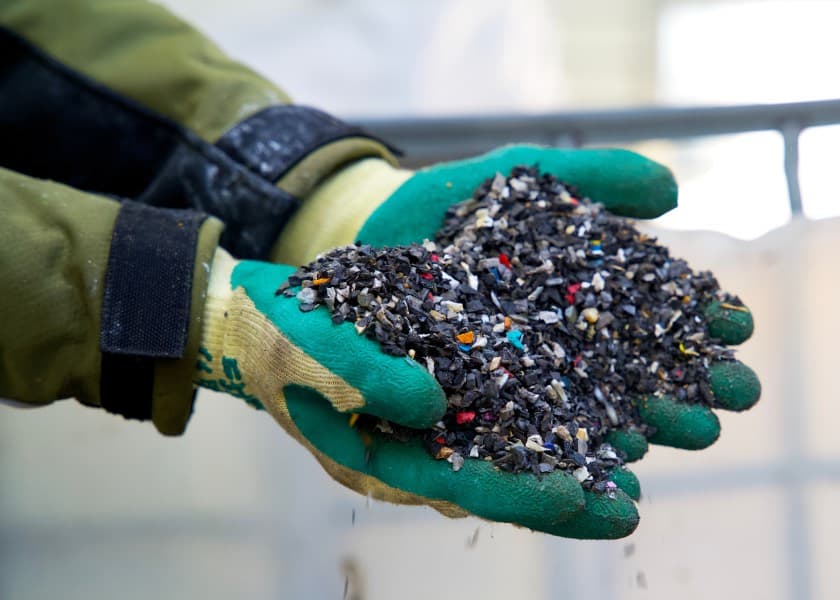
At the recycling plant, film is inspected and, if dirty, washed. It is then shredded, densified or fed through a cutter-compactor into an extruder, melt-filtered and cut into pellets. Those pellets go back to industry as raw material for new film, bags and molded or extruded products.
The cleaner it arrives, the fewer steps it needs and the more value it keeps. That is why decisions made at the dock, such as where the cart sits, who peels off labels and whether bales are stored under a roof, matter more to the final result than any equipment at the recycler.
How Zikloa can help
Zikloa recycles stretch film, bags and other polyethylene plastics. Through our waste collection service, we place 15, 20 or 30 m³ roll-off containers and schedule pickups around your generation rate, with weighing on certified scales. Request a film collection quote and we will help you decide on the best format, loose or baled.
- #stretch film
- #polyethylene
- #plastic bags
- #warehouses
- #baling
Frequently asked questions
Can cling stretch film be recycled?
Yes. The cling comes from additives or a very low-density polyethylene layer, both compatible with PE recycling. What does cause problems are the paper labels, tape and dirt that stick to the film during use.
Can dirty or wet film still be recycled?
It can if it is washed, but many buyers will not take it or will pay considerably less, because washing adds cost and dirt and water add weight. Keeping film clean at the unwrapping point is far cheaper than cleaning it later.
Is a baler worth buying just for film?
It depends on volume. Estimate how many trips you make today with loose film, how many you would make with bales and what each trip costs, then compare that with the equipment's price, footprint and operating needs. If you also generate cardboard, one baler can handle both materials in separate runs.